



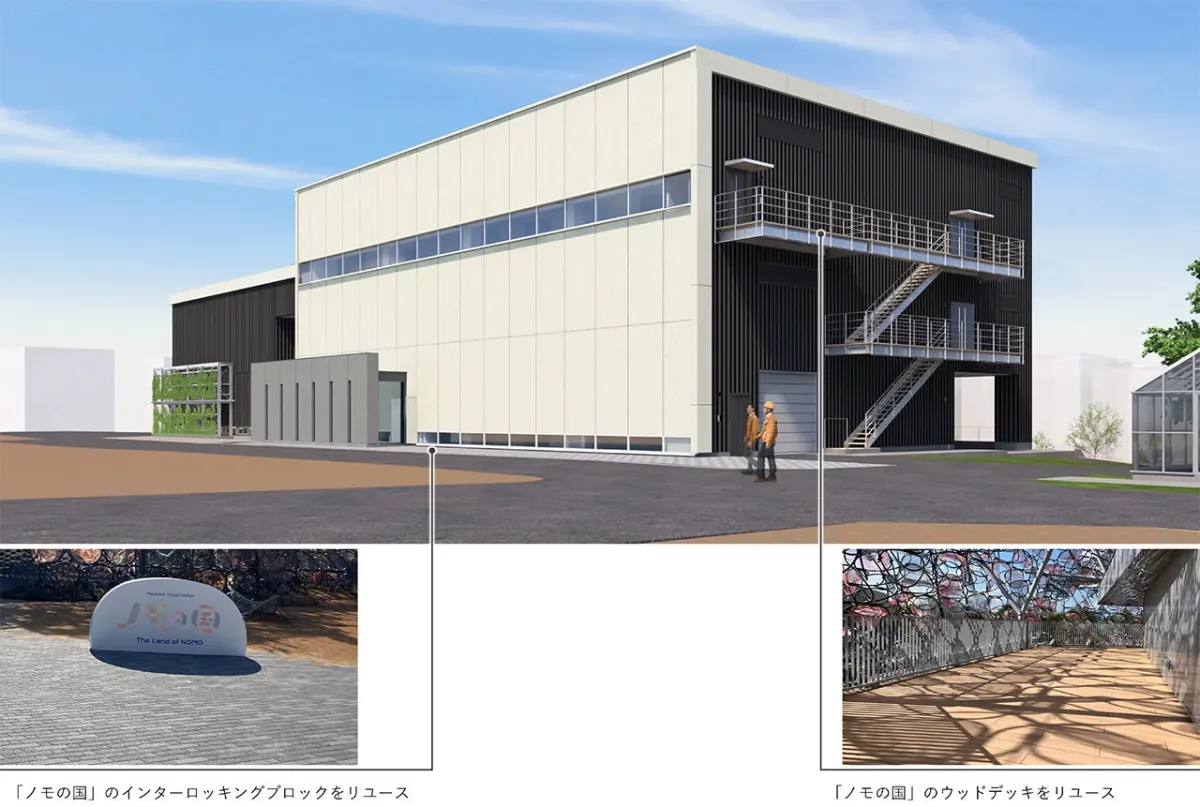
Obayashi Group Reuses Pavilion Equipment for Sustainable Construction in 2025 Osaka Expo
Obayashi Group's Sustainable Initiative at the 2025 Osaka Expo
The upcoming 2025 World Expo in Osaka, themed around sustainability and environmental responsibility, will mark a significant shift in how construction projects approach resource utilization. The Obayashi Group, based in Tokyo, is spearheading this effort by repurposing around 180 items from the Panasonic Group Pavilion "Nomo no Kuni" into their newly constructed research facility, known as "Open Lab 3 (OL3)." This initiative, a collaboration with Panasonic Holdings Corporation, includes both equipment and building materials, contributing to the Expo's legacy of sustainability and responsible resource management.
Background
Osaka's Expo emphasizes a commitment to the environment. The action plan for hosting this event, released in March 2025, promotes the reuse of equipment and building materials to minimize waste generated during disassembly. Obayashi Group and Panasonic HD have been evaluating ways to incorporate recycling and resource cycling within pavilion constructions from the onset, ensuring minimal waste post-event.
Through collaboration, they aim to achieve a circular construction approach, enabling long-term recycling and reuse strategies for materials once the Expo concludes. This not only addresses environmental concerns but also sets a benchmark for future construction practices.
Reuse of Equipment and Materials
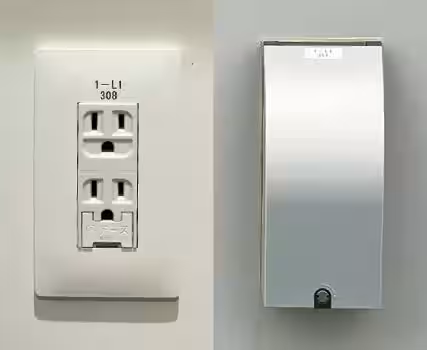
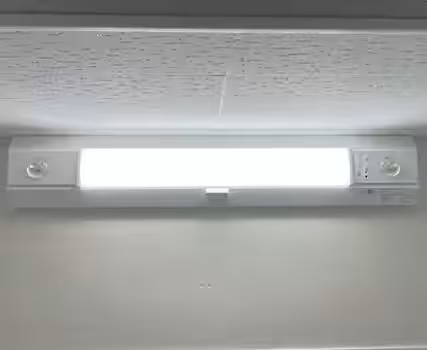
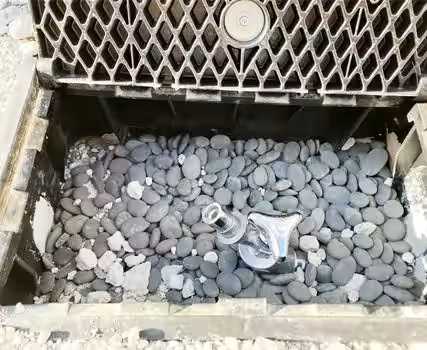
In the second phase of the OL3 construction, approximately 30 different items totaling 180 points of equipment and building materials will be reused. From the design phase, a careful selection process is undertaken to ensure that reused items work seamlessly with new equipment, balancing functionality with environmental performance. Examples of reused equipment include:
- - Lighting Fixtures
- - Sinks and Faucets
- - Surveillance Cameras
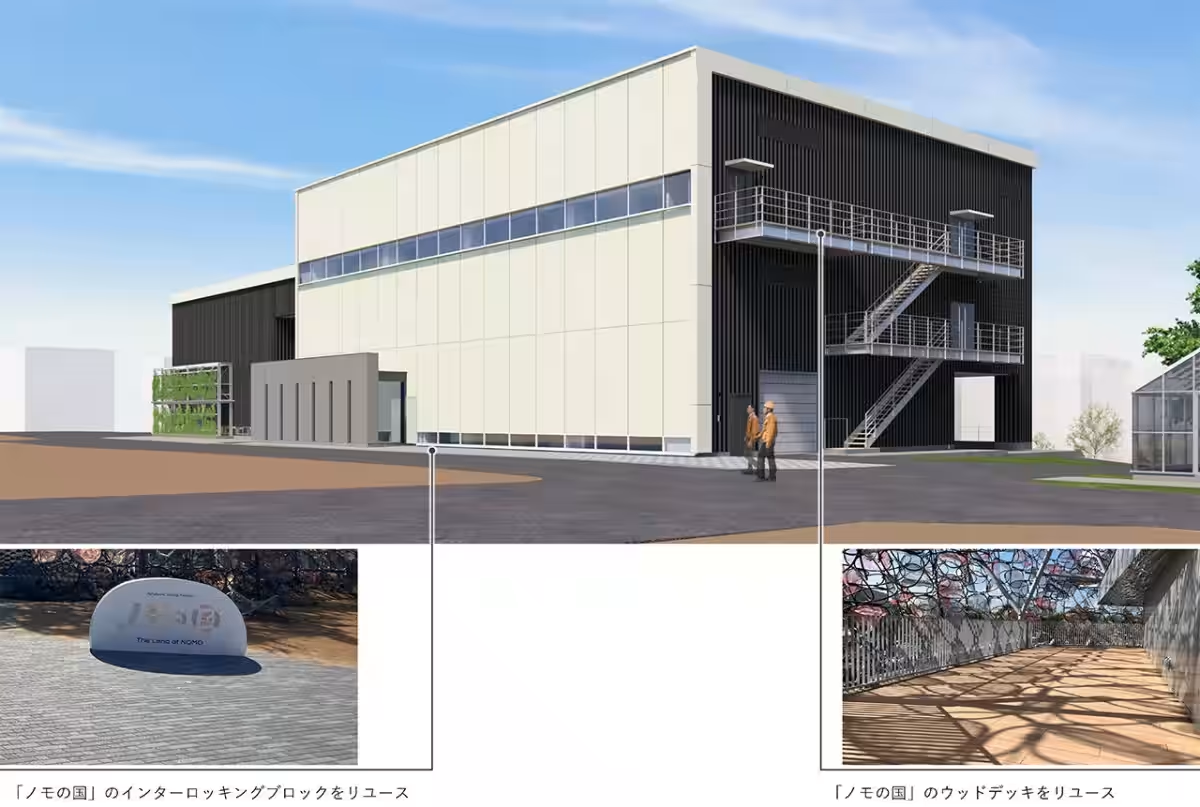
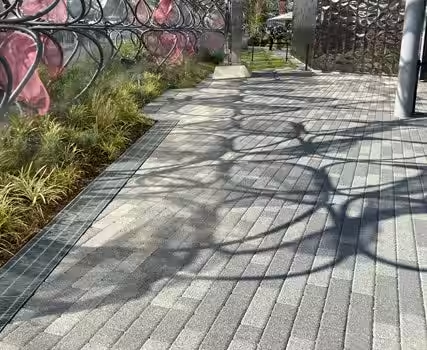
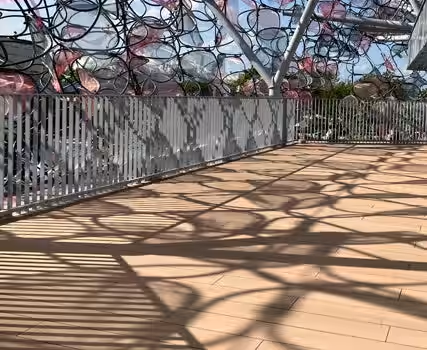
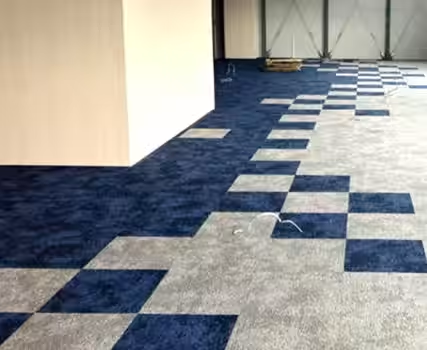
The selected building materials for the OL3 include interlocking blocks, wooden deck tiles, and carpets, all of which originated from the Pavilion’s construction. This innovative approach demonstrates Obayashi's commitment to sustainability while maximizing resource usage.
Low-Carbon Transport Solutions
The materials will be transported from Osaka to Tokyo using a low-carbon delivery method known as "modal shift," in partnership with Nippon Express Co. This transportation model prioritizes railways over trucks, dramatically reducing CO2 emissions by approximately 75% compared to traditional transport methods. Employing rail for transportation mitigates the environmental impacts typically associated with material relocation, further supporting the goals of the Expo's sustainability initiative.
The visualization of the modal shift demonstrates a commitment to the environment by enhancing resource circulation while minimizing the carbon footprint associated with construction.
Circular Construction Initiatives at OL3
The focus of OL3's construction project is to facilitate the development and validation of sustainable building technologies. From the outset, the facility's design incorporates the principles of reuse and recycling, aiming to foster ecological responsibility. Obayashi Group not only seeks to repurpose materials but also aims to gather comprehensive insights into the processes involved in selecting and managing reused products.
This holistic approach to architecture emphasizes circular construction principles, aimed at waste reduction while effectively utilizing resources.
Future Prospects
The lessons learned from this project will enhance Obayashi Group's expertise in reuse architecture. Aligning with their long-term vision called the "Obayashi Sustainability Vision 2050," the Group is determined to make significant strides towards achieving a carbon-neutral society.
Conclusion
With the impending launch of the Osaka Expo, Obayashi Group is laying the groundwork for a sustainable future, demonstrating how thoughtfully applying circular economy principles can foster responsible growth in the construction industry. The collaboration with Panasonic highlights the importance of shared goals in achieving environmental sustainability, paving the way for future innovations in building practices.




Topics Environment)
【About Using Articles】
You can freely use the title and article content by linking to the page where the article is posted.
※ Images cannot be used.
【About Links】
Links are free to use.