



Exploring the Shift in Family Dynamics and Cooking Styles Among Married Women in Japan 2025
In an era characterized by rapid social change, Kewpie Corporation has taken a keen interest in understanding the evolving landscape of family dining and cooking practices. Their latest research, the "Smile Food Lifestyle Study 2025," surveyed 1,500 married women aged 20 to 74 across Japan. This study, part of a broader initiative that started in 1989, aims to decode the shifting values surrounding family meals and the factors that contribute to happiness at the dining table.
The findings reveal a significant shift in family dynamics, moving from community-oriented values to an emphasis on individual satisfaction. One of the compelling insights from the study was the rise of a new cooking style known as "cancelling tools," where the younger generations consciously opt for convenience by minimizing the use of traditional cooking implements. The data shows that Generation Z uses an average of 6.2 cooking tools compared to 11.1 tools used by the Baby Boomer generation, indicating a trend towards less complex, more manageable cooking practices.
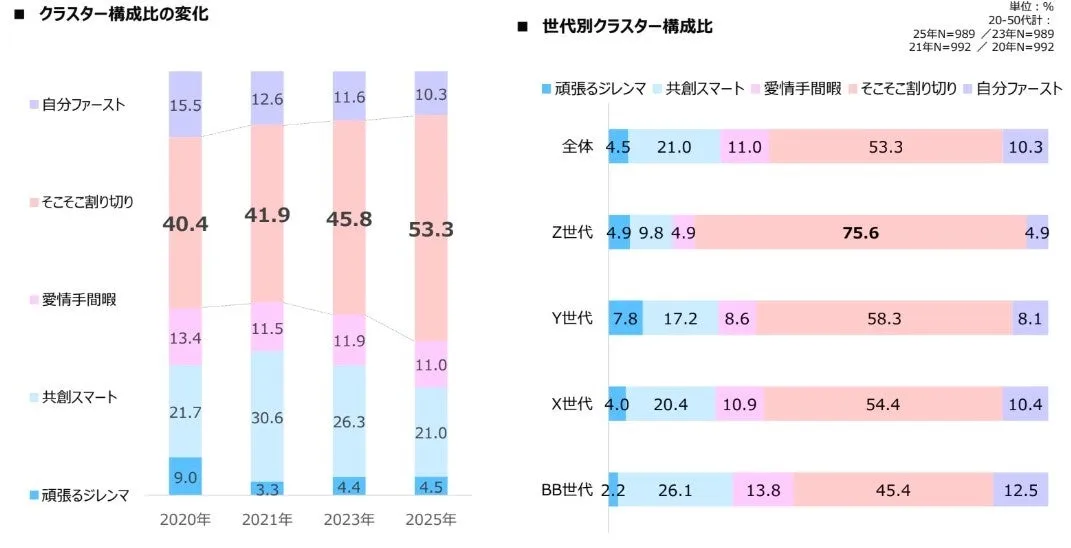
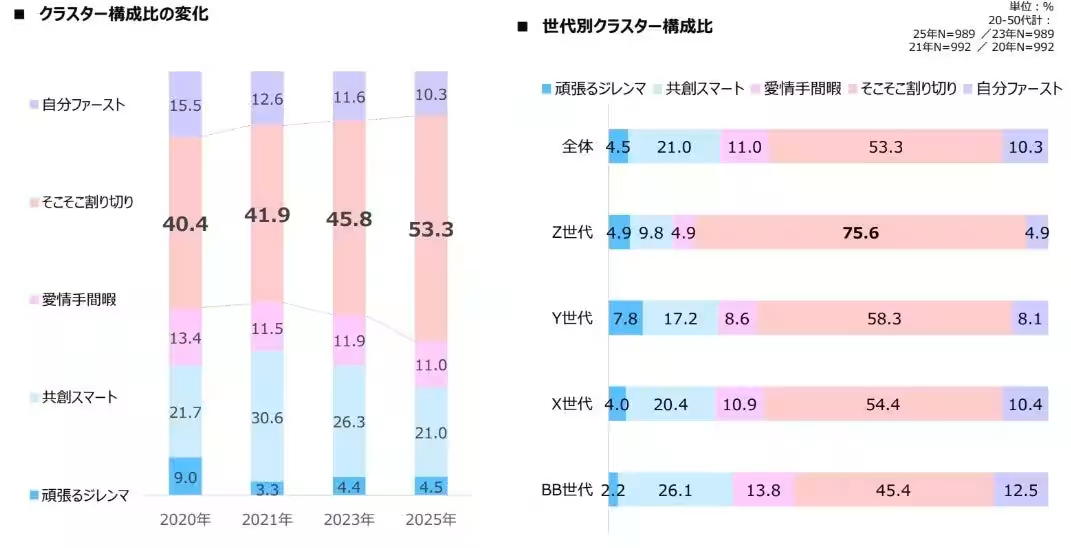
Key aspects of the study highlight that over half of the respondents (53.3%) now identify as "balance seekers"—individuals who prioritize efficiency while maintaining a satisfactory family experience. The study indicates that these women are more inclined to enjoy cooking when it doesn't demand excessive time or effort, reflecting a movement away from the historical pursuit of perfection in domestic chores.
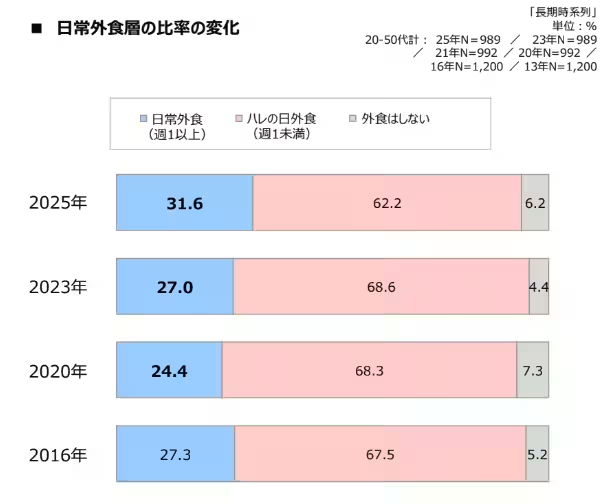
The increasing prevalence of dining out also marks a dramatic shift in behavior. Once viewed as a rare treat, eating out has transitioned into a routine part of life, with reports indicating that 31.6% of surveyed women incorporated weekly dining experiences into their lifestyle—up from 27.3% in 2016. Family meals are being repositioned as opportunities for relaxation and connection rather than rigid obligations.
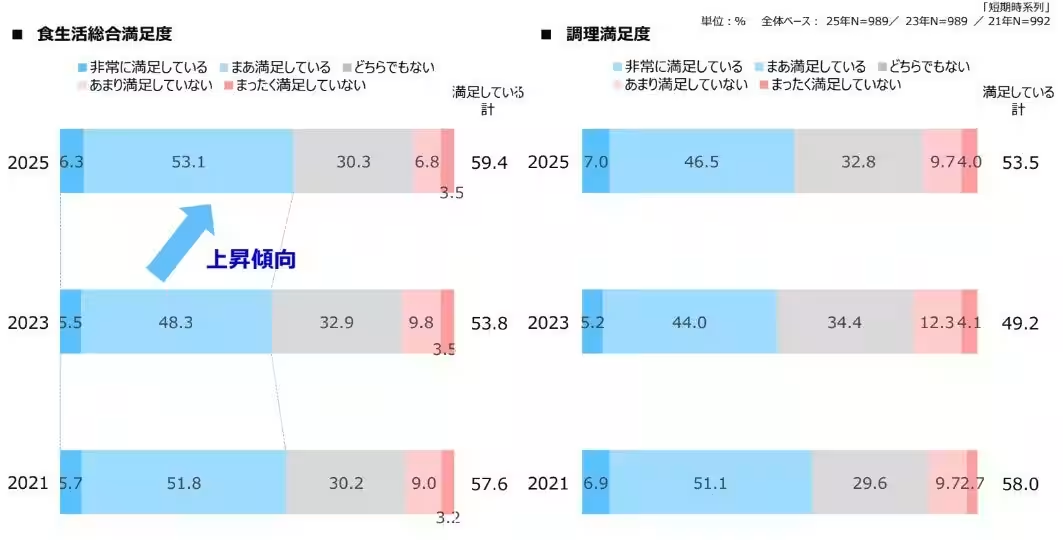
Culinary practices are also evolving with an emphasis on emotional well-being. The definition of
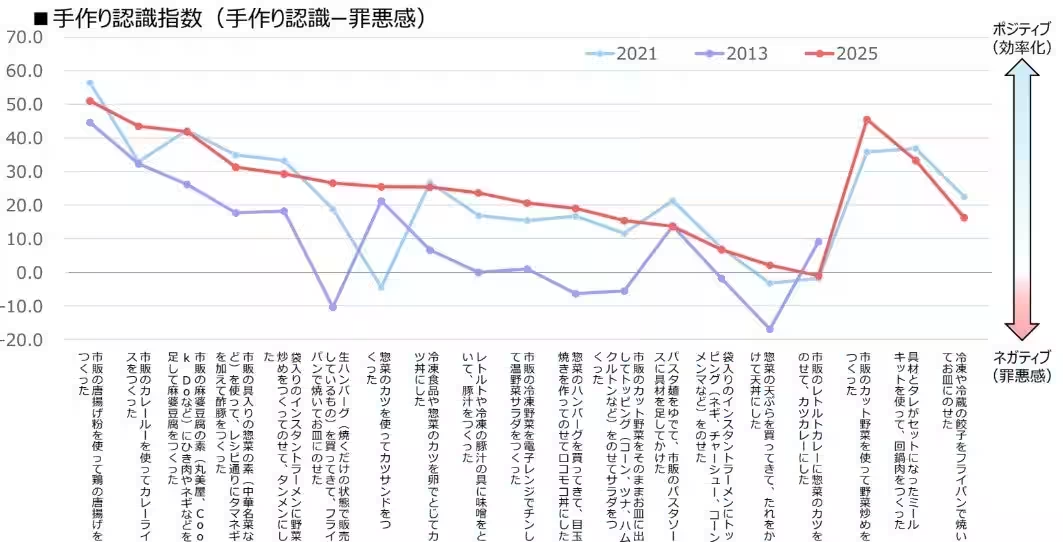
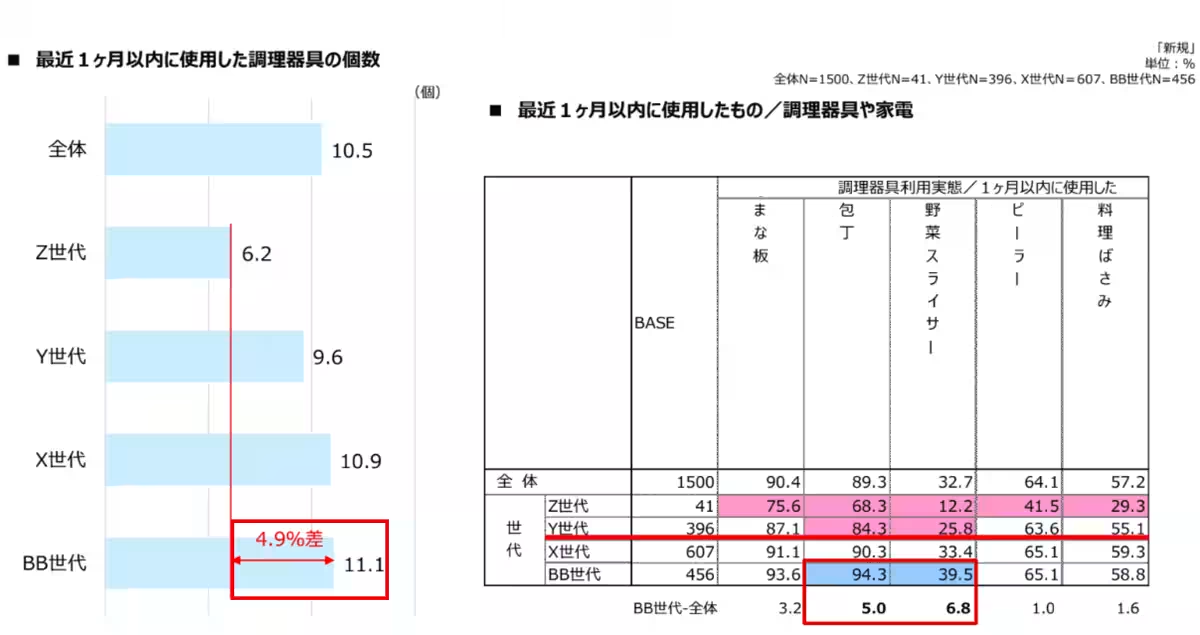
The findings reveal a significant shift in family dynamics, moving from community-oriented values to an emphasis on individual satisfaction. One of the compelling insights from the study was the rise of a new cooking style known as "cancelling tools," where the younger generations consciously opt for convenience by minimizing the use of traditional cooking implements. The data shows that Generation Z uses an average of 6.2 cooking tools compared to 11.1 tools used by the Baby Boomer generation, indicating a trend towards less complex, more manageable cooking practices.
Key aspects of the study highlight that over half of the respondents (53.3%) now identify as "balance seekers"—individuals who prioritize efficiency while maintaining a satisfactory family experience. The study indicates that these women are more inclined to enjoy cooking when it doesn't demand excessive time or effort, reflecting a movement away from the historical pursuit of perfection in domestic chores.
The increasing prevalence of dining out also marks a dramatic shift in behavior. Once viewed as a rare treat, eating out has transitioned into a routine part of life, with reports indicating that 31.6% of surveyed women incorporated weekly dining experiences into their lifestyle—up from 27.3% in 2016. Family meals are being repositioned as opportunities for relaxation and connection rather than rigid obligations.
Culinary practices are also evolving with an emphasis on emotional well-being. The definition of
Topics Consumer Products & Retail)
【About Using Articles】
You can freely use the title and article content by linking to the page where the article is posted.
※ Images cannot be used.
【About Links】
Links are free to use.