



Study Reveals Connection Between Typhoon Season and Skin Allergies: 67% Experience Worsening Symptoms
The Hidden Connection Between Typhoon Season and Skin Problems
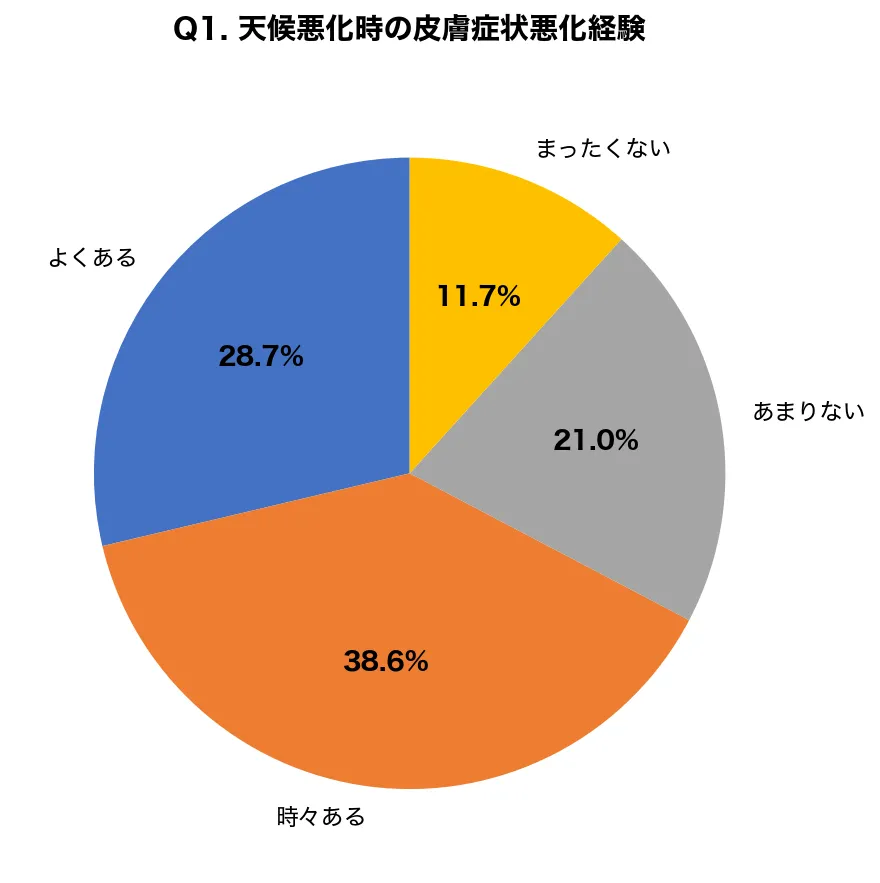
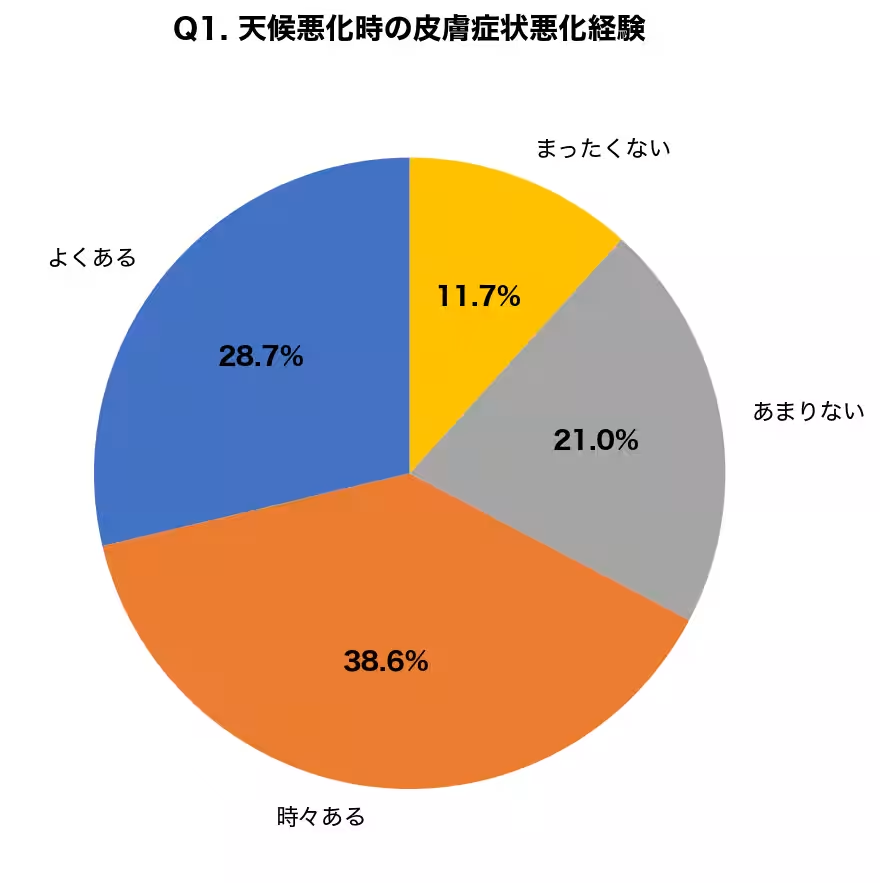
As we approach the notorious typhoon season, many individuals find themselves grappling with unexpected skin issues. Recent research conducted by the Iron Academy Clinic has shed light on a concerning trend: a staggering 67.3% of respondents reported experiencing heightened skin problems, including hives and itching, during adverse weather conditions. The survey, which gathered data from 300 individuals aged between 20 and 60, aimed to understand the connection between weather fluctuations and dermatological symptoms.
Key Findings from the Survey
The results were alarming yet enlightening. A significant portion of those surveyed associate their skin reactions with weather changes, particularly during typhoons or moments of low pressure. The research revealed that:
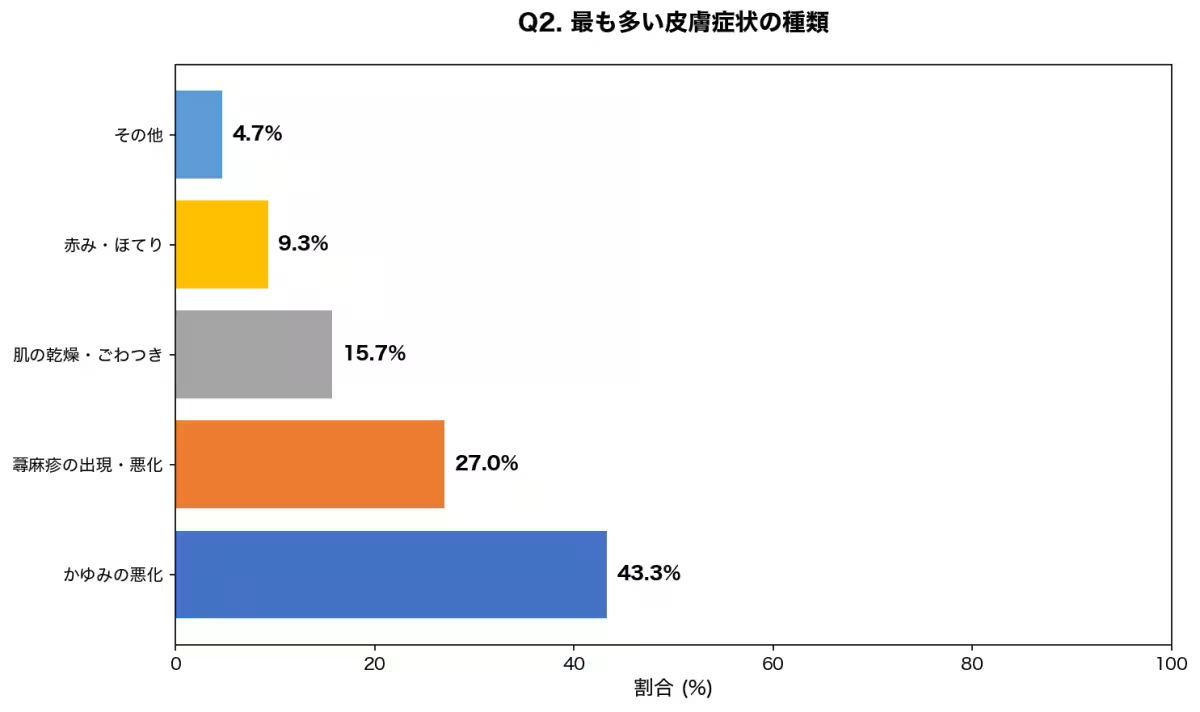
- - 43.3% cited worsening itching as their primary symptom during such weather changes.
- - 27.0% reported the appearance or exacerbation of hives, a condition triggered by the release of histamine from mast cells in the skin.
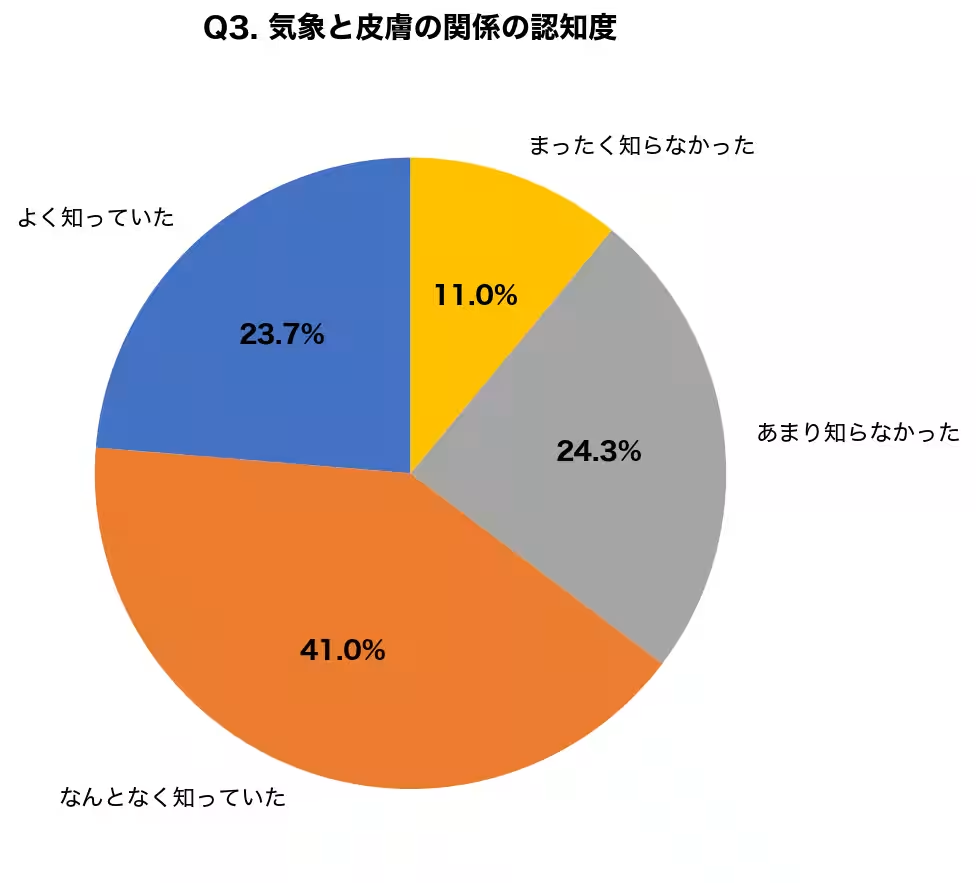
- - Strikingly, only 23.7% of participants were familiar with the concept that weather could influence skin conditions.
The implications of these findings are immense, raising a vital question: why does weather, specifically drops in atmospheric pressure, induce such symptoms? Experts speculate that the rapid decrease in pressure stimulates the release of histamine, enhancing the permeability of skin blood vessels, which can lead to inflammatory symptoms.
Understanding Weather-Related Illness
The term “Meteoropathy” describes health issues that arise or worsen due to changing weather conditions, such as temperature, humidity, and pressure. Not just limited to headaches and fatigue, these conditions also manifest as dermatological issues like hives and itchiness. The inner ear’s pressure sensors are believed to play a role in this process, affecting the autonomic nervous system.
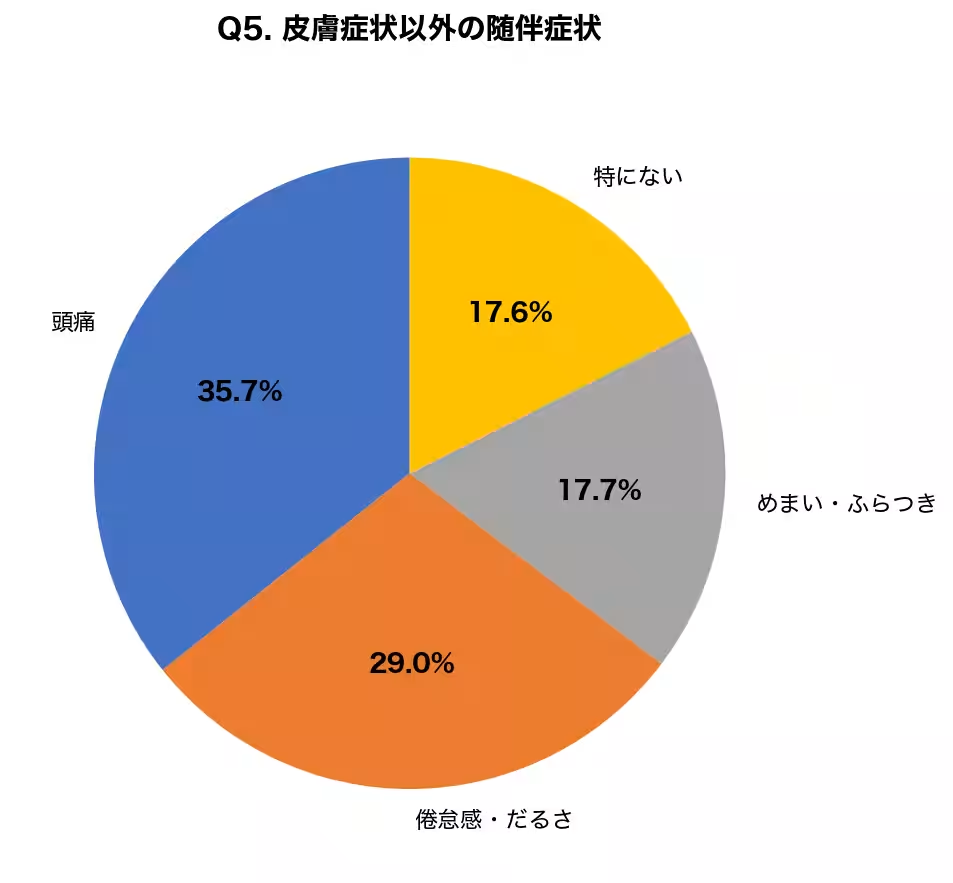
In our recent study, it was intriguing to note that 82.4% of individuals identifying skin issues also reported concurrent nervous system disturbances, like headaches and fatigue, indicating a clear link between weather fluctuations and overall well-being.
Compare and Contrast: Weather-Related Skin Symptoms and Common Allergies
| Category | Weather-Related Symptoms | Common Allergic Dermatitis |
|---|---|---|
| ------ | -------- | ---------- |
| Timing of Occurrence | 24-48 hours before and after worsening | Within hours to days post-exposure |
| Symptom Characteristics | Generalized itching, hives | Localized rashes, itching at contact sites |
| Duration of Symptoms | Alleviates with weather improvement | Persists until allergens are removed |
| Accompanying Symptoms | Headaches, fatigue, dizziness | None typically noted |
| Seasonality | More prevalent during typhoon and rainy seasons | Year-round or specific seasons |
| Treatment Options | Autonomic nervous care, antihistamines | Allergen removal, topical treatments |
As evidenced, a clear distinction exists between symptoms emerging from weather changes and those arising from common allergens.
Expert Insights
Dr. Kōta Takakuwa of the Iron Academy Clinic emphasizes the importance of recognizing that the skin's reactions during typhon seasons are not mere figments of the imagination but rooted in physiological responses to atmospheric changes. The autonomous nervous system plays a crucial role here, with episodes often coinciding with pressure changes leading to heightened histamine levels.
Dr. Takakuwa notes that a proactive approach could mitigate these symptoms effectively. This includes keeping tabs on weather forecasts, recognizing days when symptoms may worsen, and, where necessary, preemptively taking antihistamines. Regular lifestyle adjustments to stabilize the autonomic nervous system—adequate sleep, exercise, and stress management—are equally paramount.
Self-Care Strategies for the Upcoming Typhoon Season
To navigate through potentially rough weather, the following self-care strategies are recommended:
- - Utilize weather apps to monitor atmospheric pressure changes.
- - Preemptively take antihistamines on days when symptoms are likely to manifest.
- - Maintain a healthy lifestyle to balance the autonomic nervous system.
- - Ensure proper skin hydration to enhance keratin barrier function.
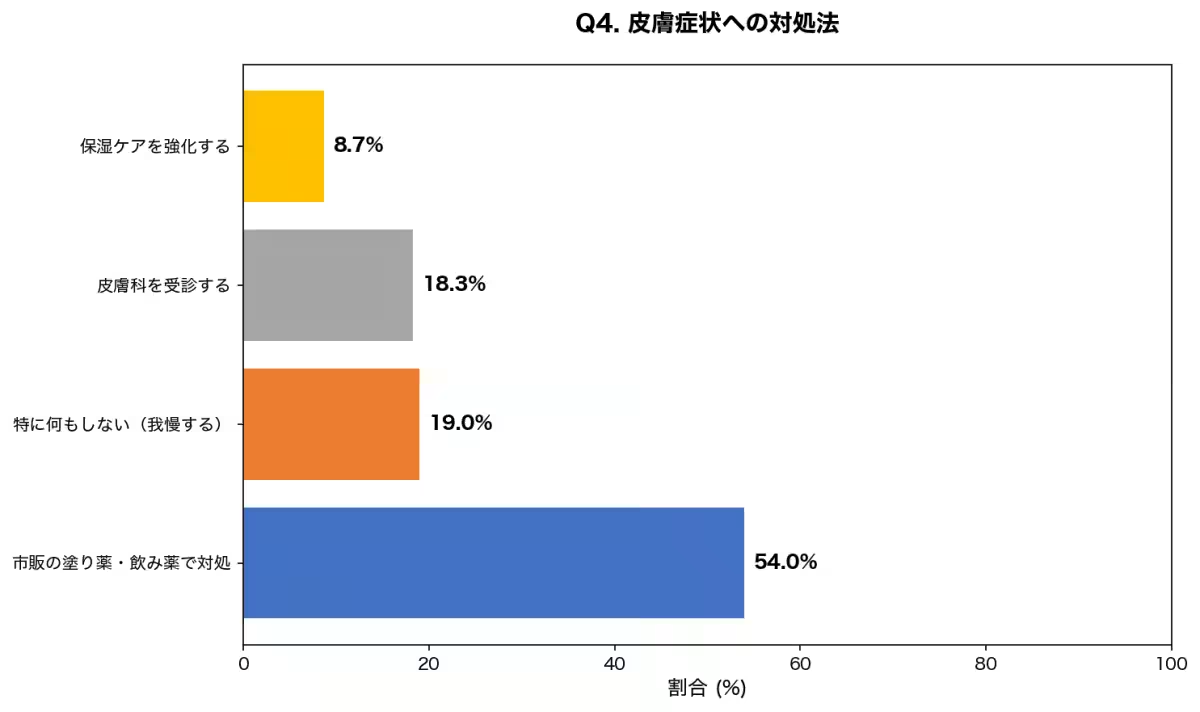
- - Seek dermatological care if symptoms persist or worsen.
Conclusion
The findings from this survey showcase a need for greater awareness regarding the interplay between weather conditions and skin health. With typhoon season looming, understanding these connections and being equipped with the right methods to manage symptoms will be imperative for those affected. As research continues, our focus must now shift toward educating the public on the critical link between our health and the weather.
Topics Health)
【About Using Articles】
You can freely use the title and article content by linking to the page where the article is posted.
※ Images cannot be used.
【About Links】
Links are free to use.