



The Rising Trend of 'Roji Tabi': Diverse Travel Styles in Kanto and Kansai Regions
Understanding the 'Roji Tabi' Trend in Japan's Travel Scene
As the world continues to adapt to changing economic conditions, the travel industry is witnessing new trends. A recent survey conducted by Skyscanner Japan has shed light on the diverse travel preferences of residents from Japan's two major regions: Kanto and Kansai. This study brings to the forefront an intriguing new travel style known as ‘Roji Tabi,’ which emphasizes a logical and satisfying approach to travel decisions.
The Emergence of 'Roji Tabi'
As tourists face the challenge of maximizing satisfaction within limited budgets, the concept of 'Roji Tabi'—signifying a logical approach to travel—gains more significance. With the wealth of travel options available due to social media and AI advancements, travelers are increasingly keen on making well-informed choices.
The survey focused on 1,000 individuals aged 18 and above from the Kanto and Kansai regions to compare their behaviors and preferences in travel planning.
Key Findings of the Study
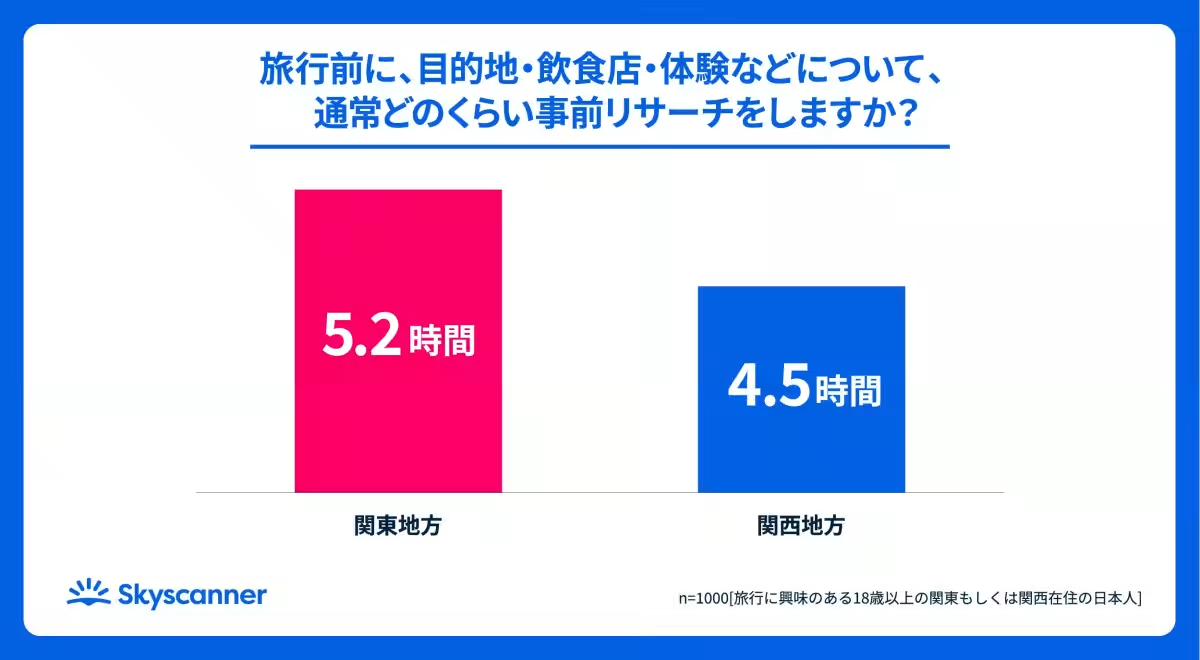
The findings reveal a distinct divergence in travel styles. Kanto travelers tend to invest substantial time into research, averaging 5.22 hours before their trips, compared to Kansai's 4.5 hours. Notably, Kanto residents are 1.4 times more likely to spend more than 11 hours delving into pre-trip research. This indicates a strong inclination among Kanto travelers towards meticulous planning and a desire to create an ideal travel environment.
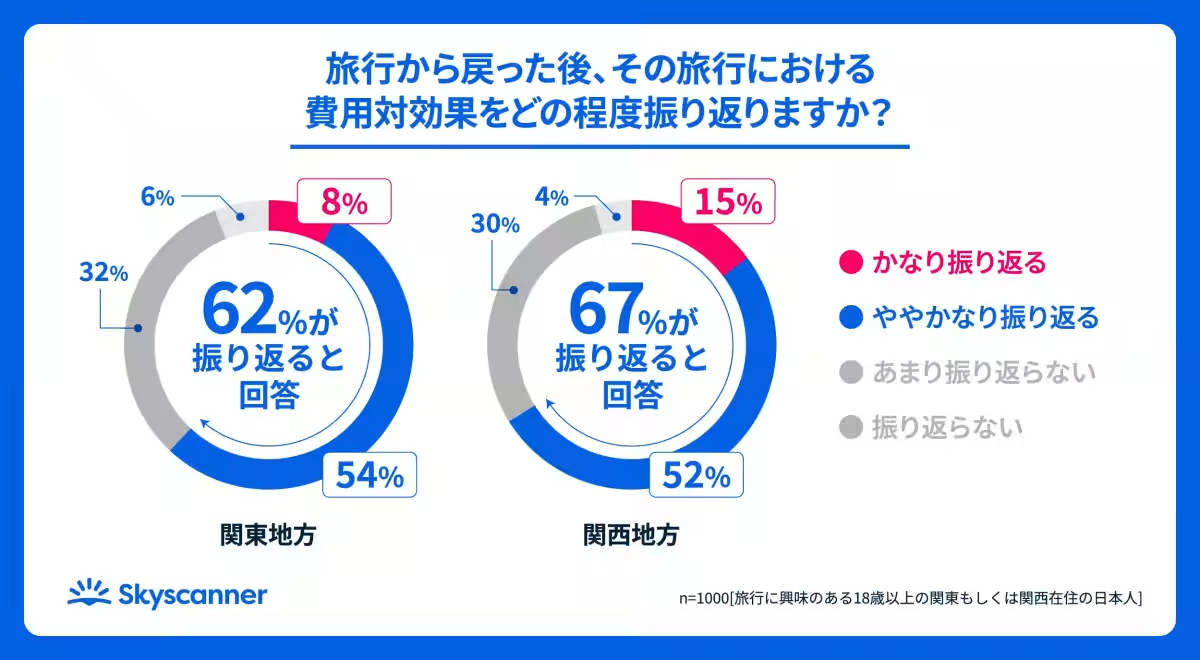
In contrast, Kansai travelers exhibit a pragmatic approach post-trip evaluation, with nearly 1.8 times more Kansai residents rigorously assessing the cost-effectiveness of their trips after returning home. This analytical behavior reflects a greater emphasis on ensuring that their travel investments yield satisfactory returns.
Spending Preferences: Kanto vs. Kansai
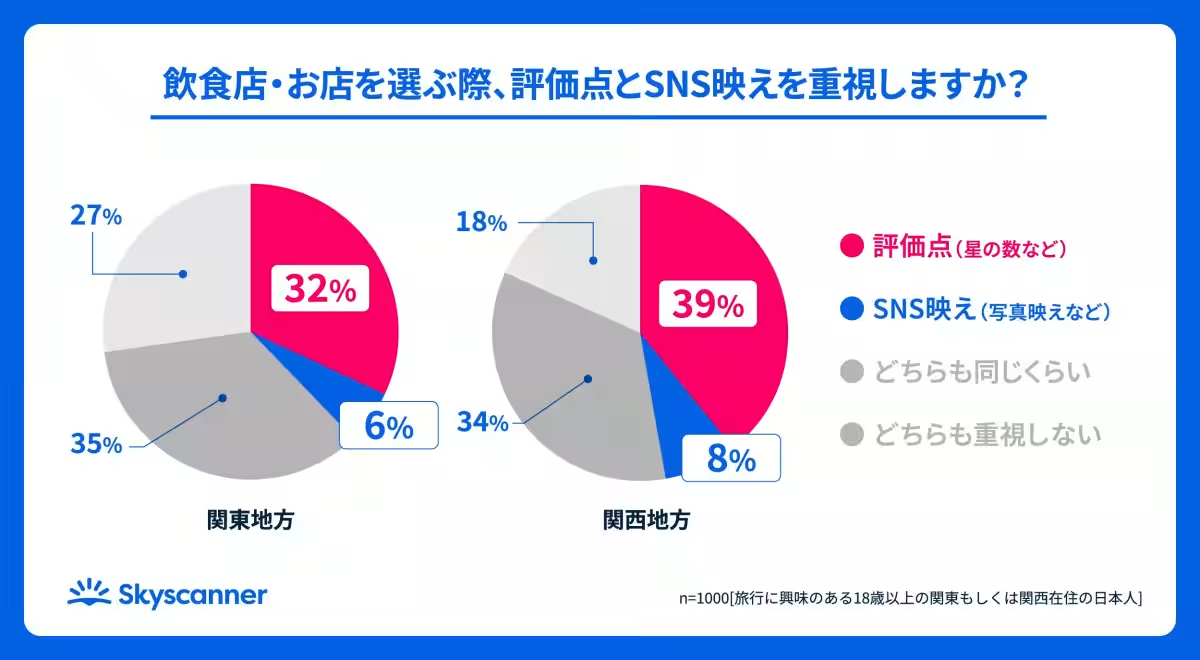
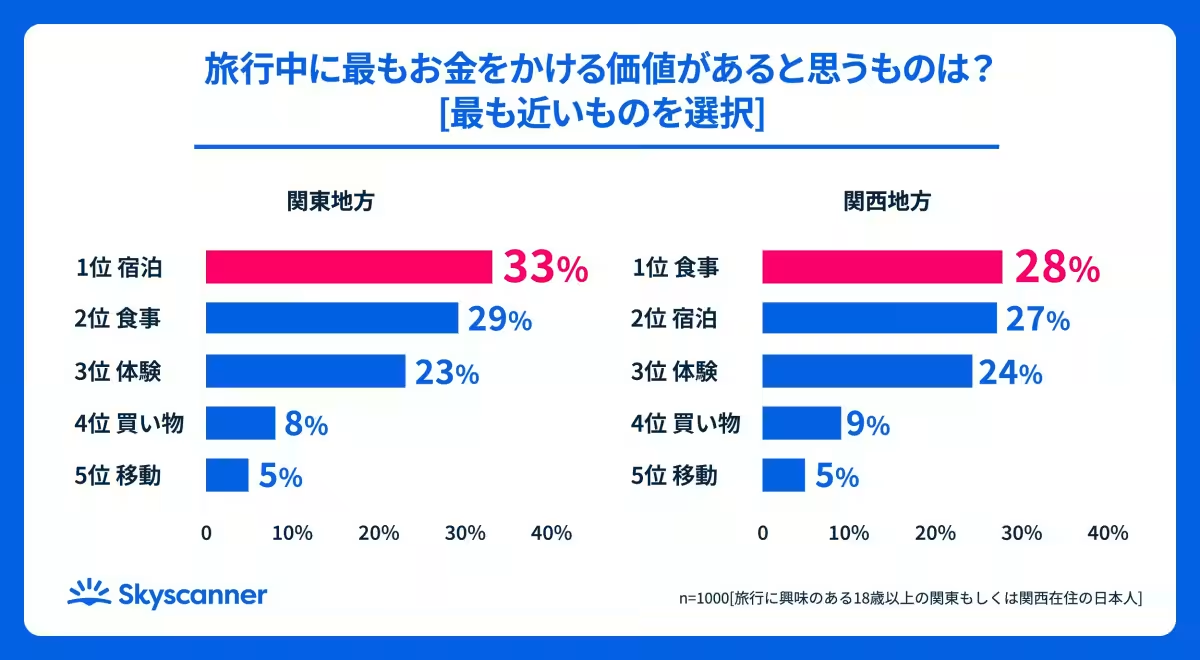
Regarding budget allocation while traveling, Kanto residents regard hotels as their primary investment, suggesting that they prioritize accommodation comfort and quality during their trips. In contrast, Kansai travelers tend to rely heavily on ratings and reviews when selecting dining options, indicating a preference for confident culinary choices and a focus on guaranteed quality.
These observations underscore the contrasting values in travel decision-making between these two regions, revealing the evolving landscape of tourism preferences.
The Search for Hidden Gems
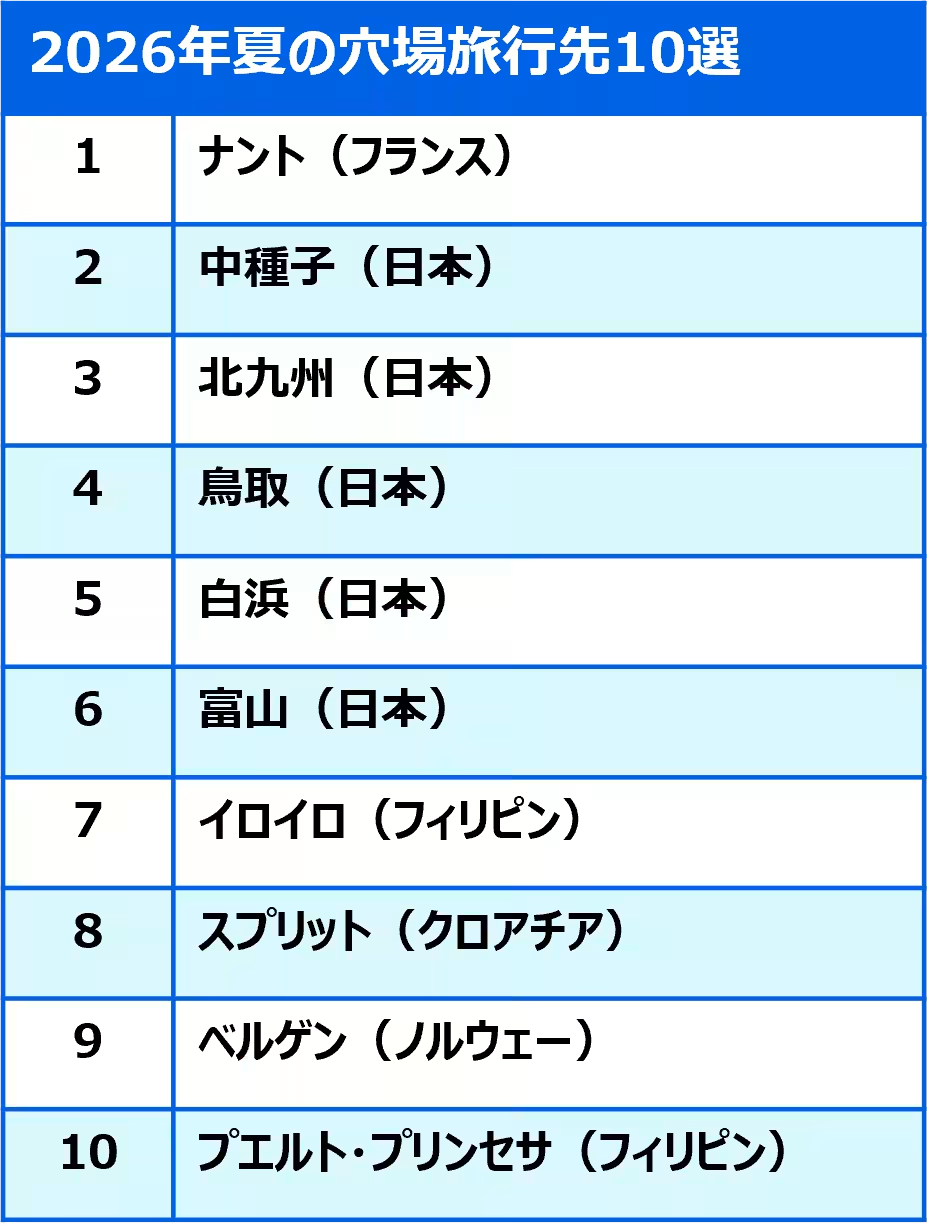
Furthermore, recent data from Skyscanner indicates an uptick in the desire among Japanese travelers to discover lesser-known destinations. The survey highlights a shift towards seeking unique experiences over conventional tourist spots. One notable finding is that Nantes, France, ranked as the top hidden travel destination in the summer of 2026. This city, recognized for its artistic vibe, offers peace away from the bustling crowds of Paris and Nice.
Domestic options include Nakadoshima in Kagoshima and Kitakyushu in Fukuoka, both of which are appreciated for their tranquil environments amid the chaos of popular attractions. Moreover, travelers are casting their nets wider, looking for off-the-beaten-path destinations like Iloilo in the Philippines and Split in Croatia, showcasing the growing trend for ‘hidden gems’ in global tourism.
Conclusion: Crafting a Satisfactory Travel Experience
According to Kenta Okada, a travel expert at Skyscanner Japan, the essence of 'Roji Tabi' lies in a balanced approach to travel that is not solely about finding the lowest price but about achieving a satisfactory travel experience tailored to individual preferences. It is important for travelers to distinguish between fleeting trends and what genuinely adds value to their journeys.
Skyscanner remains committed to enhancing the travel planning process, offering cutting-edge tools to help travelers strategize their trips logically. This allows individuals to gain confidence in their travel choices before, during, and after their adventures.
In summary, as the travel landscape continues to evolve, understanding and adapting to these regional preferences and trends like 'Roji Tabi' will be essential for travelers aiming to maximize their overall travel satisfaction.


Topics Travel)
【About Using Articles】
You can freely use the title and article content by linking to the page where the article is posted.
※ Images cannot be used.
【About Links】
Links are free to use.