



Comprehensive Guide to Incorporating Children's Voices into Policy Released by TOKYO PLAY
Comprehensive Guide to Incorporating Children's Voices into Policy Released by TOKYO PLAY
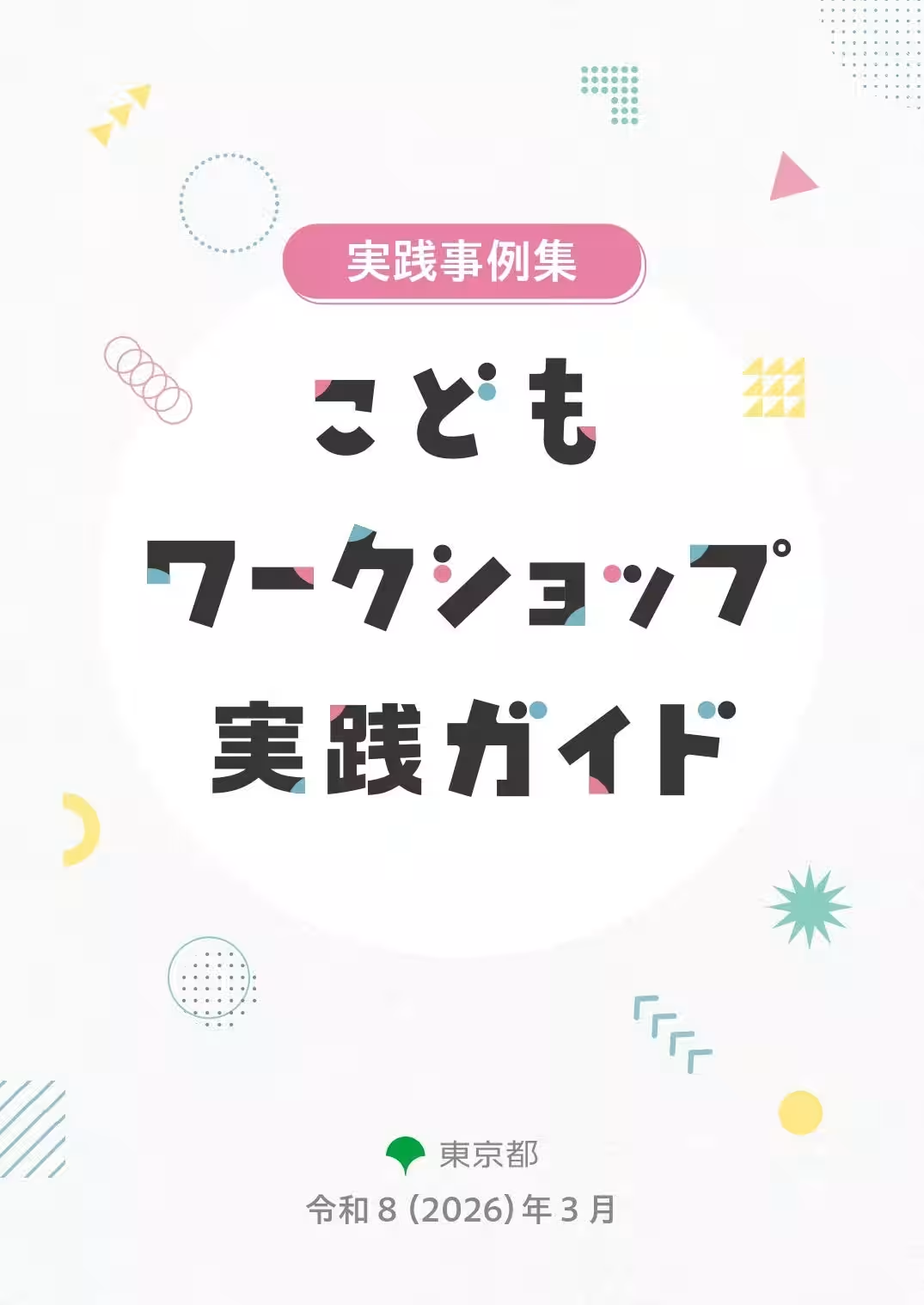
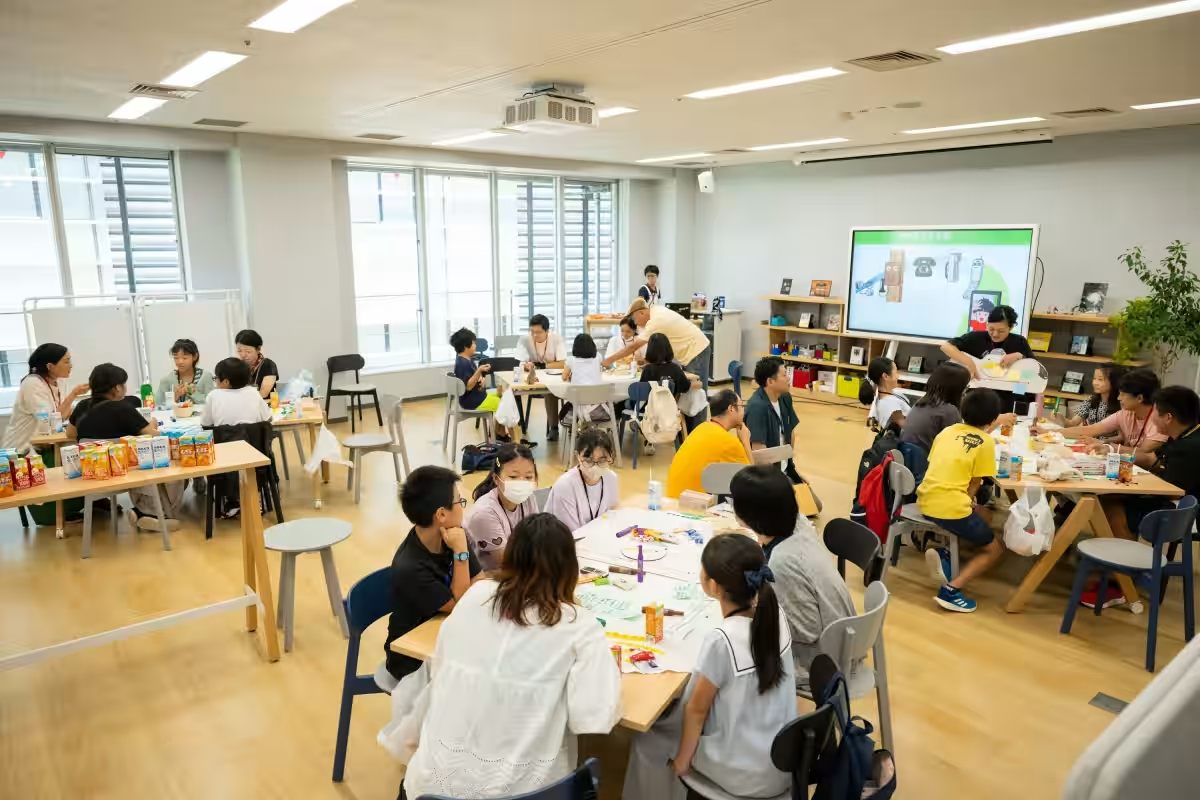
In a significant step towards enhancing child engagement in policy-making, the general incorporated association, TOKYO PLAY, has supervised the release of the "Children's Workshop Practical Guide" published by the Tokyo Metropolitan Children’s Policy Coordination Office. This guide, effective from March 2024, is designed to facilitate all processes related to the newly introduced children's workshops, covering everything from planning and executing the workshops to providing feedback to the children involved, all while including actual administrative documents and manuals.
Why Was This Guide Necessary?
The enactment of the Basic Law for Children in 2023 has mandated local governments and national authorities to reflect children's voices in policies targeting them. However, many administrative professionals find themselves at a loss when trying to implement these mandates, grappling with the common sentiment, “I know we should do this, but I don’t know how.” This guide offers not just theoretical insights into child engagement, but also practical resources such as recruitment documents, selection criteria, facilitation scripts, emergency response protocols, and feedback booklet templates—elements that have been lacking in previous discussions and materials.
Features of the Guide
The guide is structured around five phases: overview design, recruitment, preparation for implementation, the main event, and reflection of opinions. It comprehensively includes:
- - The ideological foundation behind the necessity of listening to children, based on the Convention on the Rights of the Child Article 12, the Basic Law for Children, and the Tokyo Metropolitan Children's Basic Ordinance.
- - Safeguarding children's rights along with protocols for responding to distress signals.
- - Templates for real recruitment announcements, application forms, and various email communications.
- - Details of the facilitation training program divided into six modules.
- - An array of operational details including scripts, manuals, schedules, and equipment checklists for the actual events.
- - Methods for organizing children’s opinions, involving individual ID designs, categorization, and concise subdivision of thoughts.
- - Guidelines for structuring and producing feedback booklets for children.
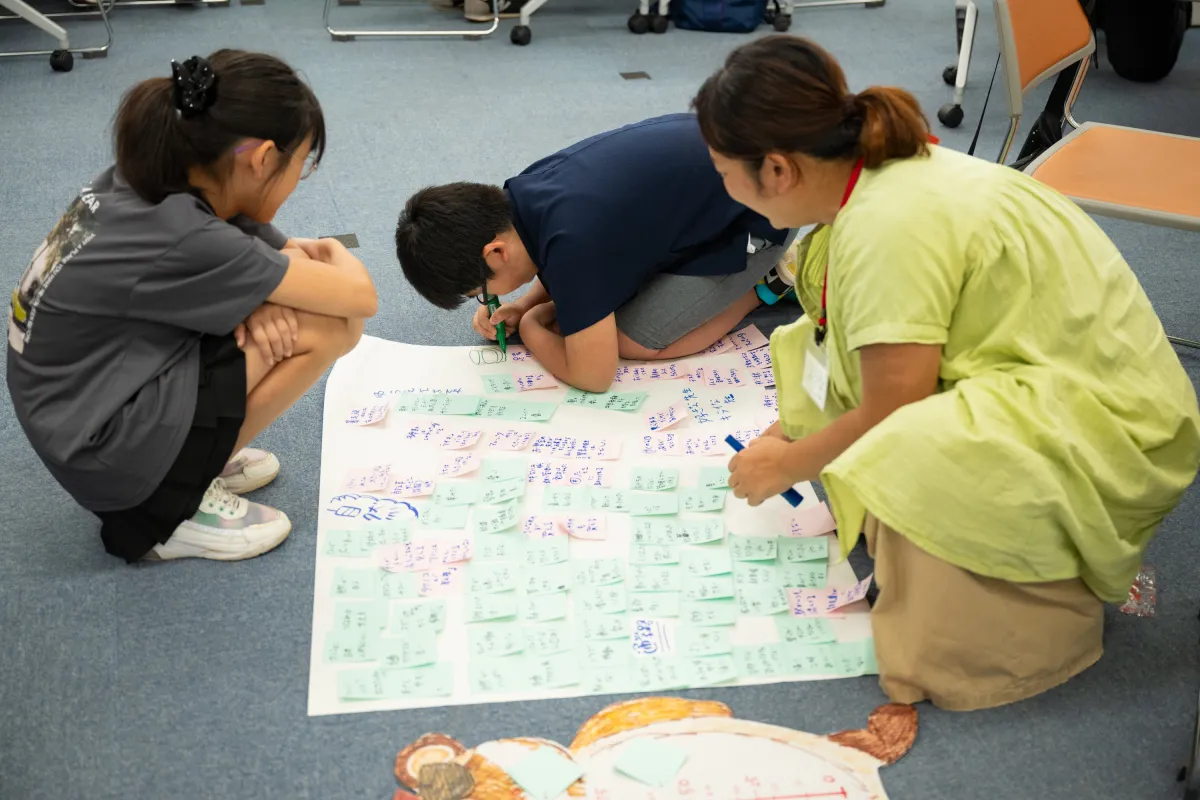
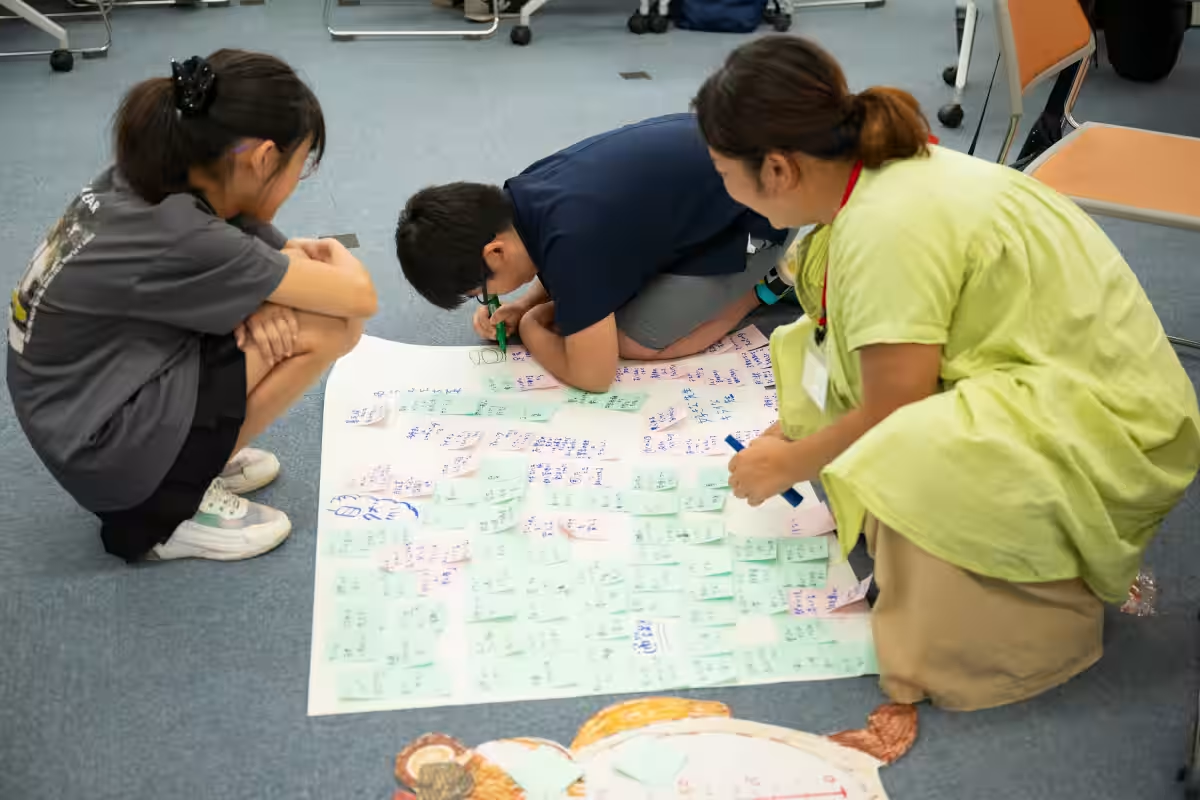
Throughout the guide, readers will find 14 columns detailing the decision-making processes and reflections from those in practice, embodying the guide's core philosophy. One striking feature discussed is the example of the question, “Do we really respond to children’s voices?” raising caution against simplistically aggregating inputs from sticky notes without deeper consideration.
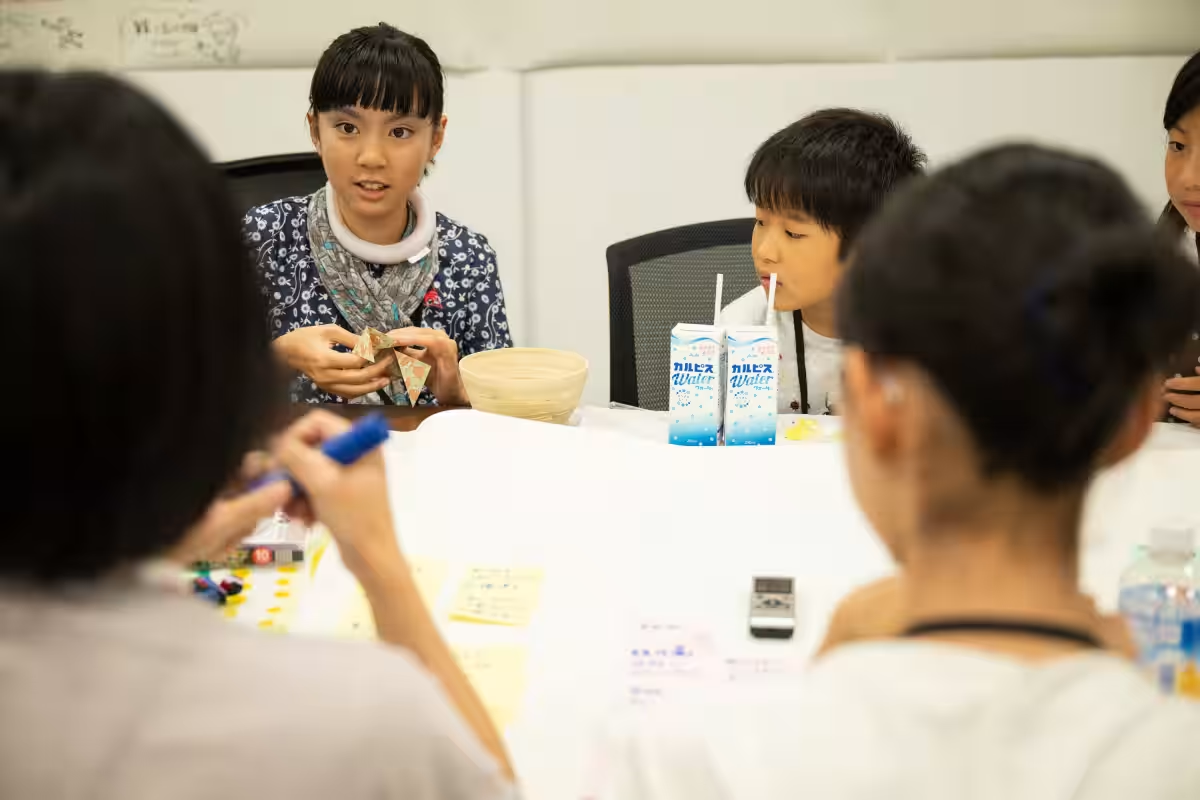
This persistent inquiry underscores the guide's emphasis on the concept of “views,” as protected by Article 12 of the Convention on the Rights of the Child, which focuses on not just articulate expressions but the entire spectrum of children’s perspectives, including their unspoken thoughts, behaviors, and emotions. The guide encourages practitioners to tune into the silent voices of children, allowing them sufficient time to express themselves and responsibly conveying their thoughts.
Role of TOKYO PLAY
As the workshop initiator, TOKYO PLAY is instrumental in overseeing the workshops slated for the 2024 fiscal year. Their involvement spans from designing the facilitation training to conducting the workshops, sorting opinions, and preparing feedback materials. Their comprehensive experience has enriched the practical applicability of this guide.
Outcomes of the Workshops
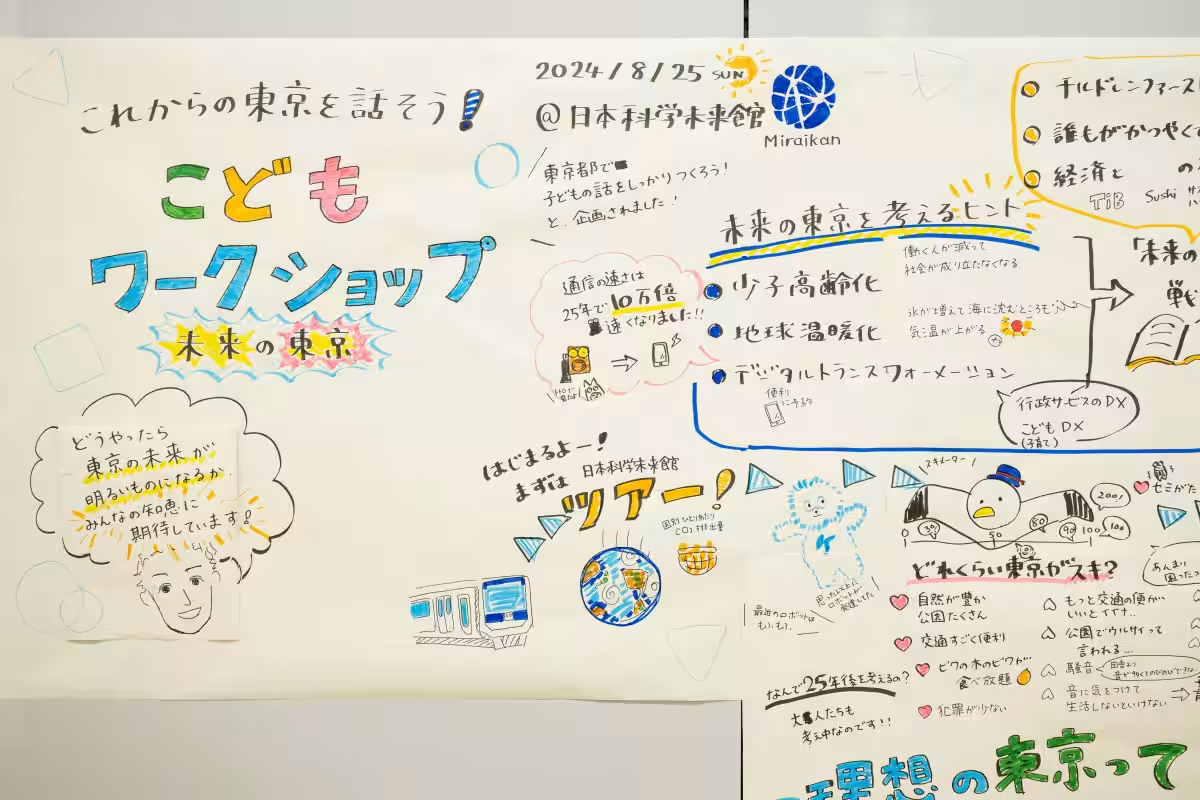
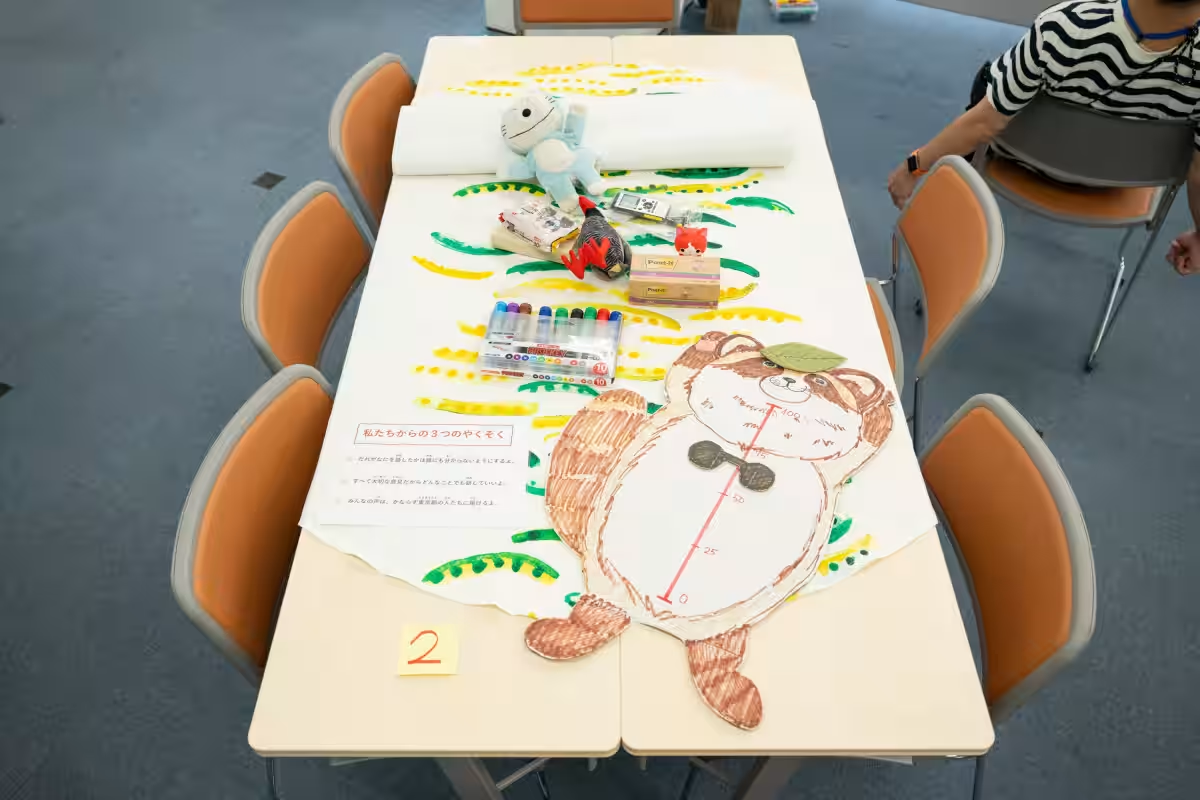
The workshops held under the Bureau of Cultural and Sports in 2024, centered around the "Tokyo 2025 World Athletics Championships," successfully captured children’s inputs leading to initiatives such as the baton project, children's journalism, and cheer message campaigns. These efforts were recognized by the organizing body as a “competition that delivers dreams to children.” Additionally, inputs from the Policy Planning Bureau's “Future Tokyo” initiative have been incorporated into the “2050 Tokyo Strategy.” Feedback from child participants highlighted an impressive 98.1% satisfaction rate, indicating they felt valued and heard during the process.
Accessing the Guide
This practical guide is publicly accessible free of charge on the Tokyo Metropolitan Children’s Policy Coordination Office’s website.
Children's Workshop Practical Guide
About TOKYO PLAY
Operating with the vision of “Play Friendly Tokyo,” TOKYO PLAY is dedicated to creating child-friendly play environments through collaboration with field practitioners, government entities, and researchers. Their focus areas include play environment consulting, frameworks to listen to children's voices, research and outreach on children's play and adult roles, policy advocacy, and promoting citizen-led initiatives in community play activities. Through diverse projects, they actively work towards realizing children's right to play.
Location: 1-3-9 Kamiyama-cho, Shibuya-ku, Tokyo
Executive Director: Hitoshi Shimamura
Official Website: TOKYO PLAY
Topics Policy & Public Interest)
【About Using Articles】
You can freely use the title and article content by linking to the page where the article is posted.
※ Images cannot be used.
【About Links】
Links are free to use.