



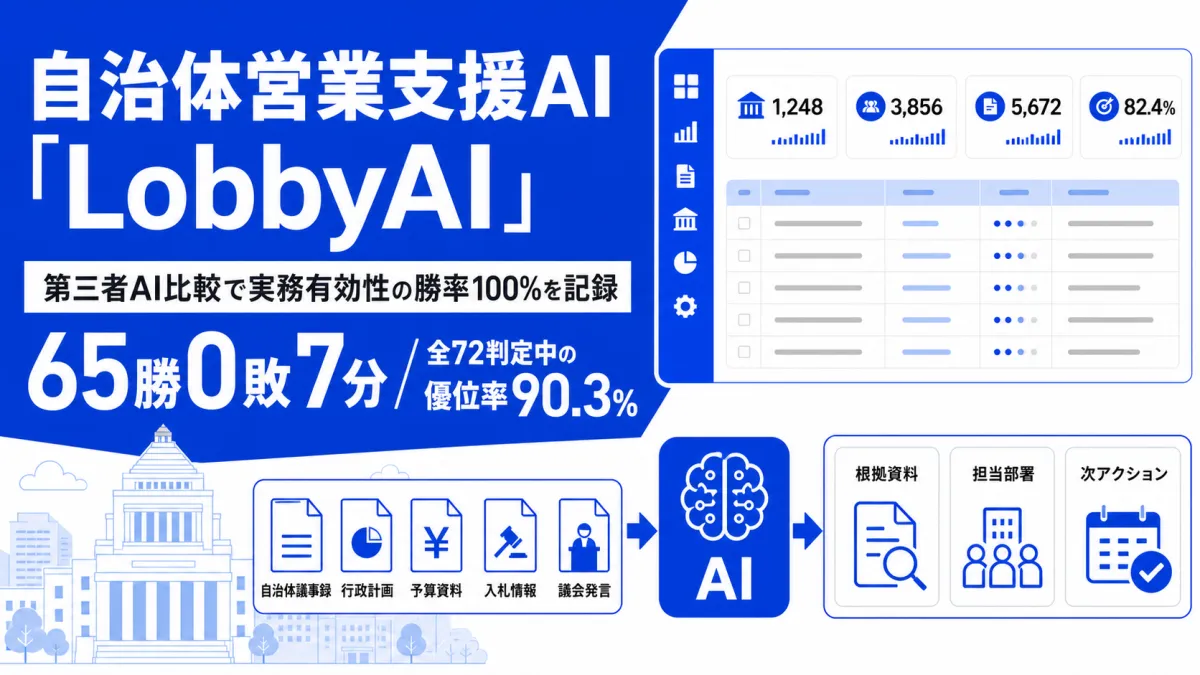
LobbyAI Achieves 100% Success Rate in Assessing AI for Local Government Sales Support
LobbyAI's Remarkable Achievement in AI Comparison
LobbyAI Corporation, based in Tokyo's Minato Ward and led by CEO Kyotaro Takahashi, has made headlines with the announcement of an astonishing 100% success rate in a recent comparison study involving AI solutions for local government sales support. This evaluation was conducted using the state-of-the-art general-purpose LLM, GPT-5.5, as a baseline for comparison.
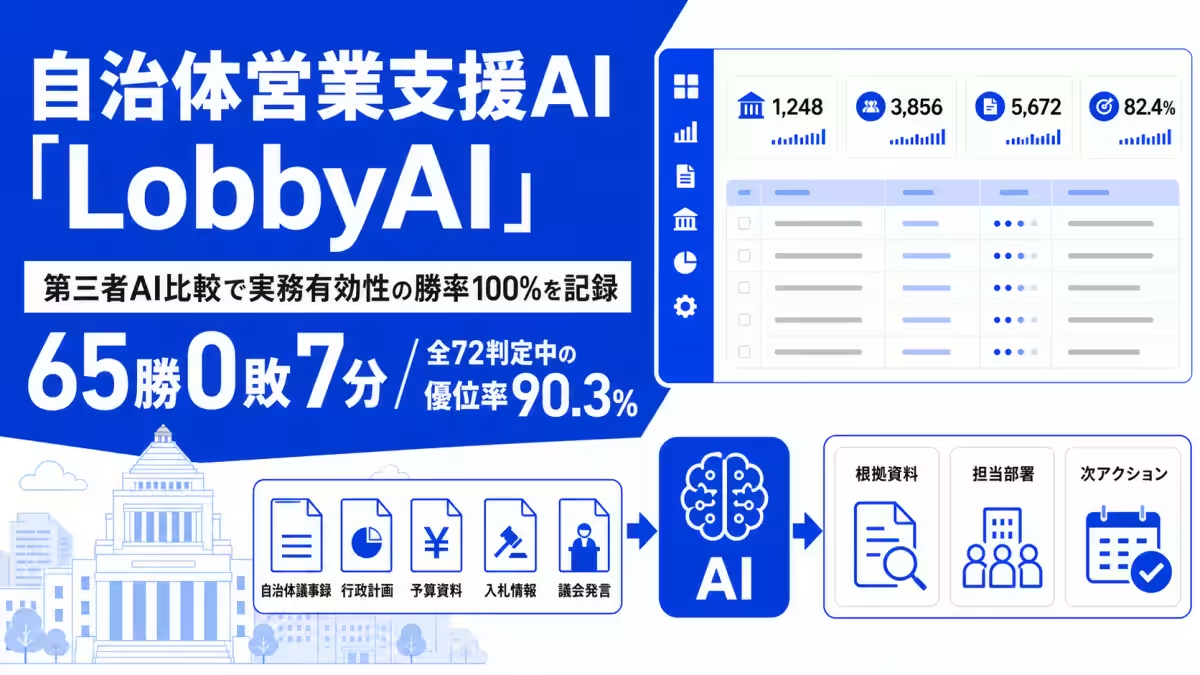
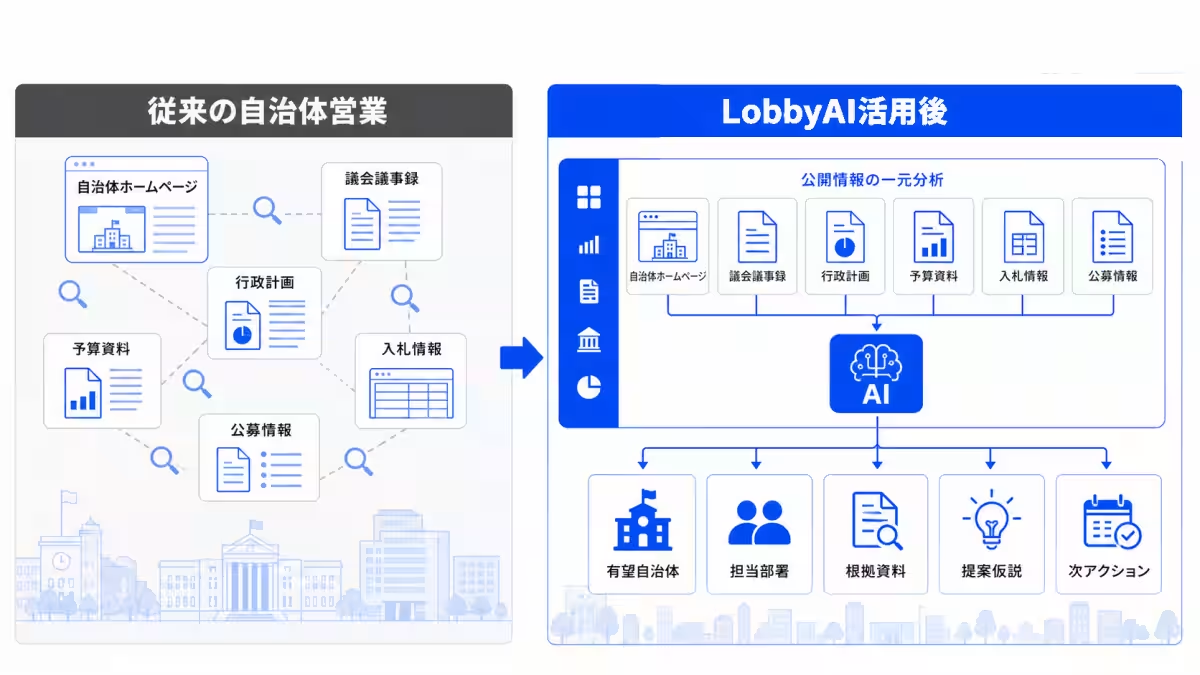
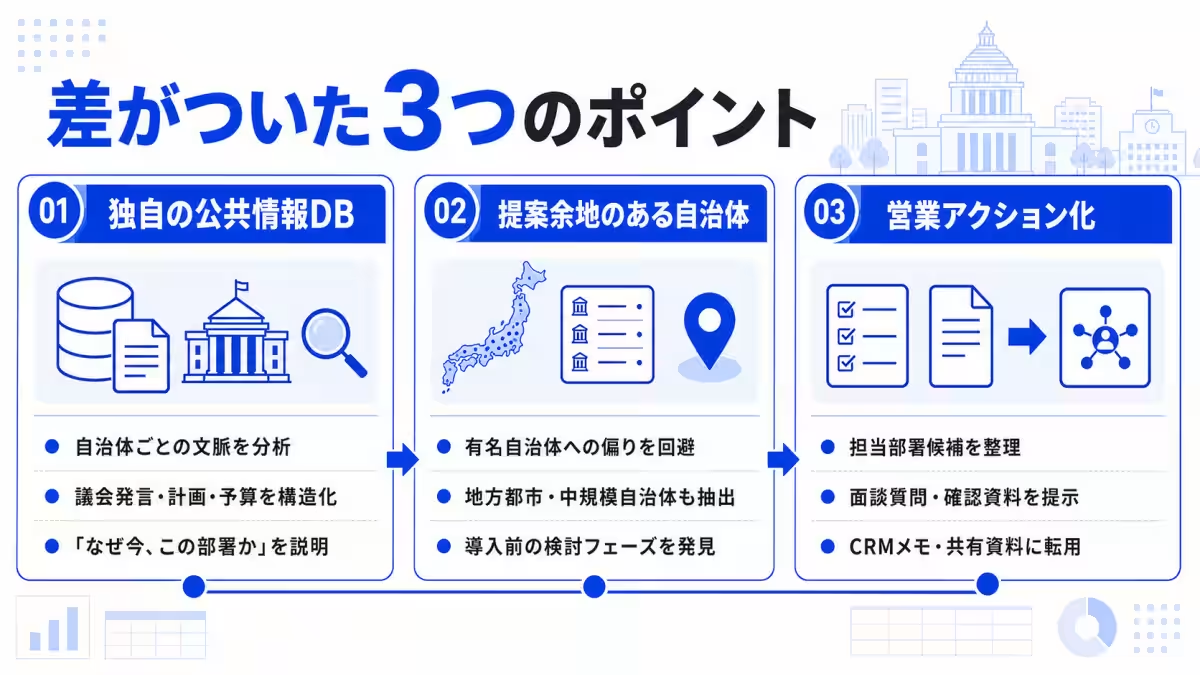
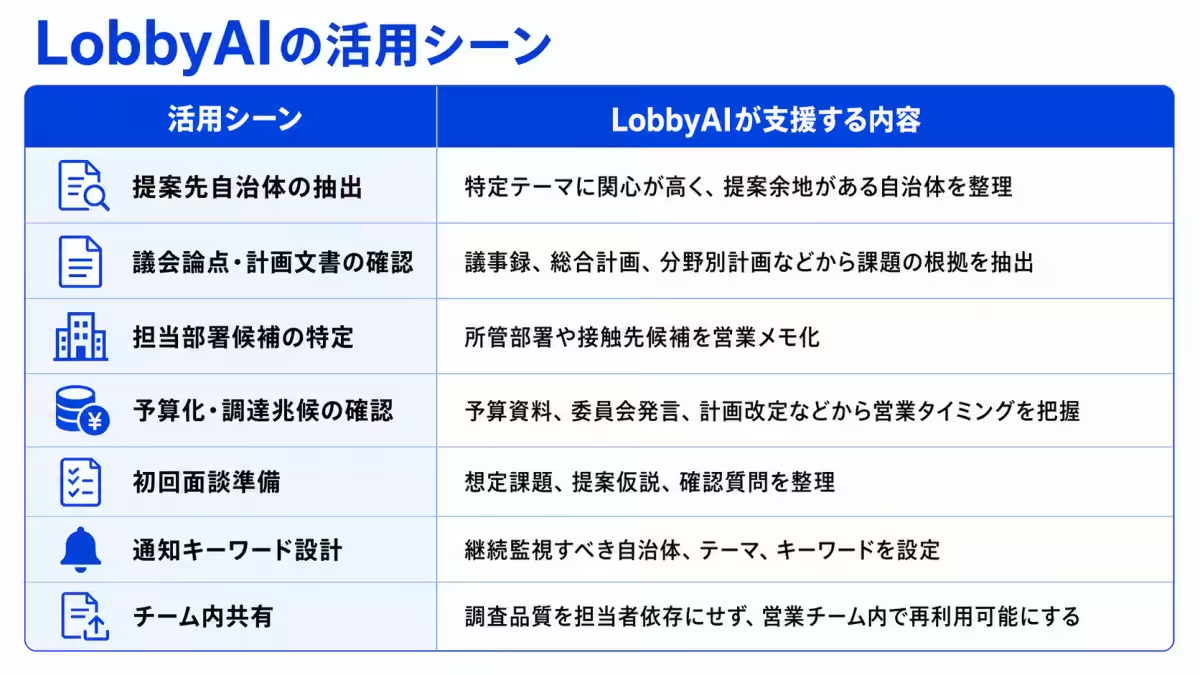
The focus of this study was LobbyAI's unique ability to analyze and structure public information utilizing a comprehensive database that includes council meeting transcripts, administrative plans, budgets, deliberation materials, and bidding information. This platform was tested against various local government sales scenarios and demonstrated profound expertise in identifying sales opportunities, supporting claims, and formulating next steps.
The Comparison Methodology
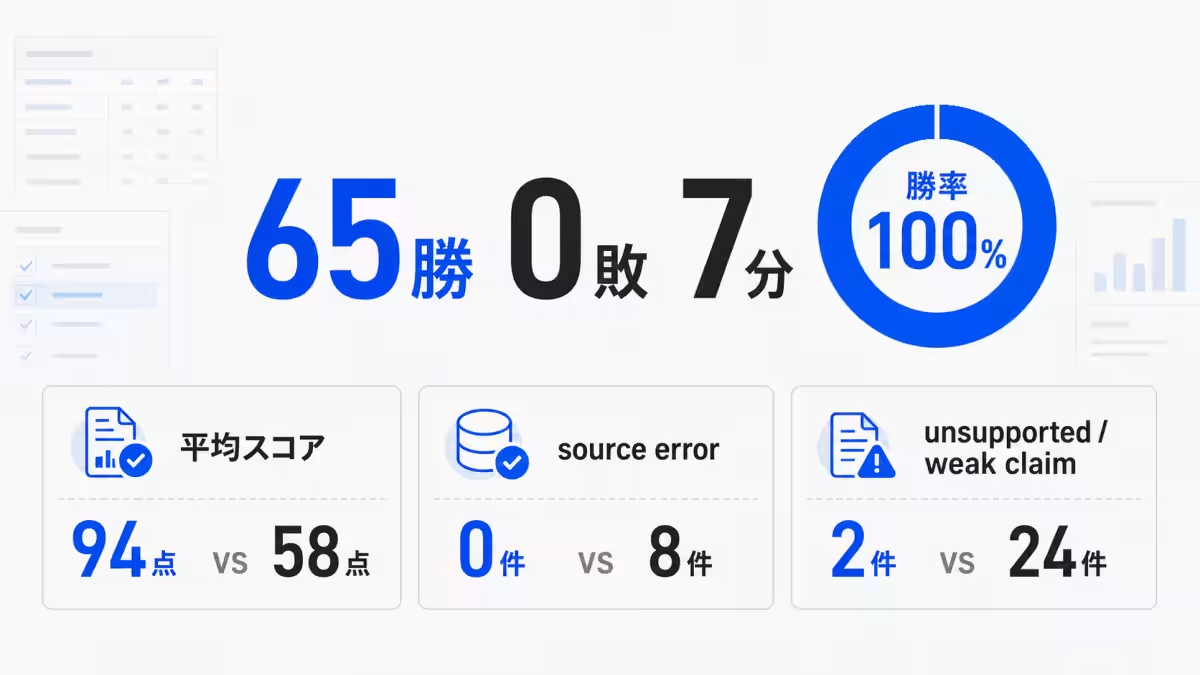
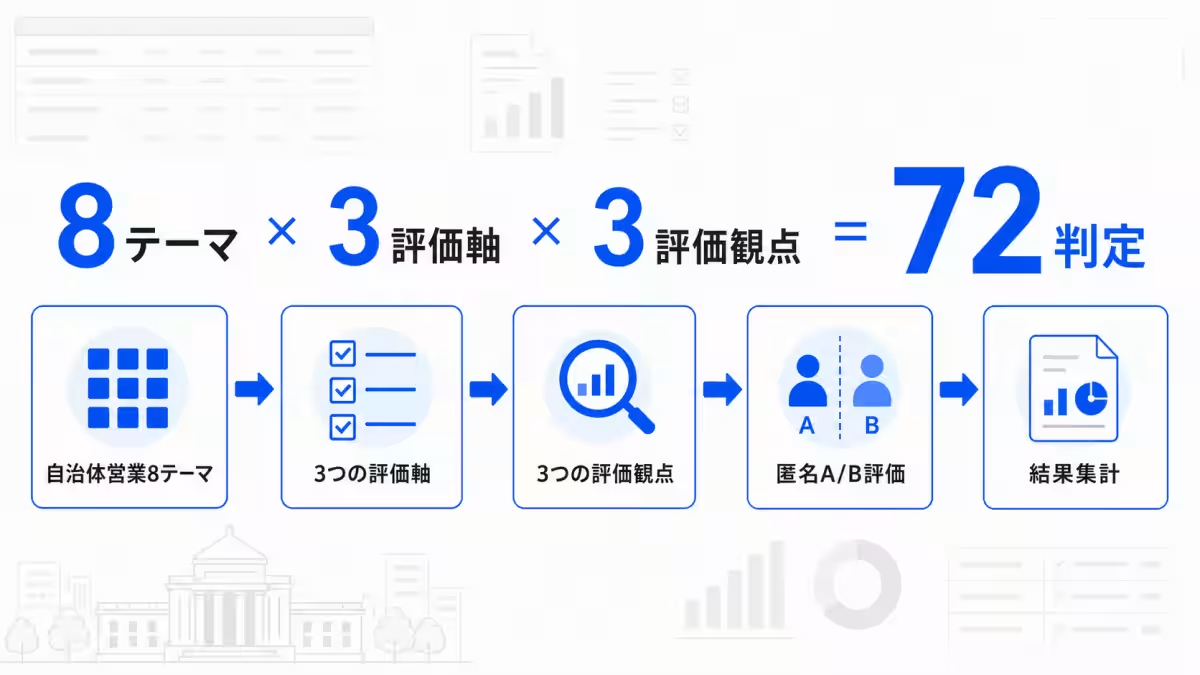
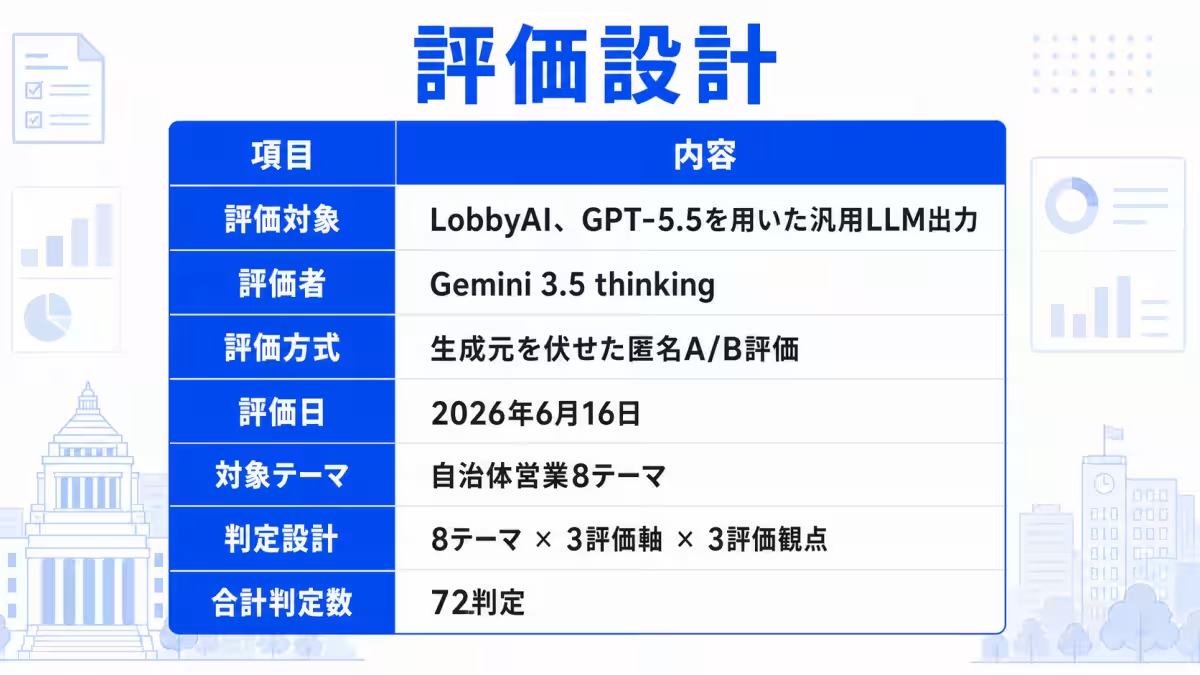
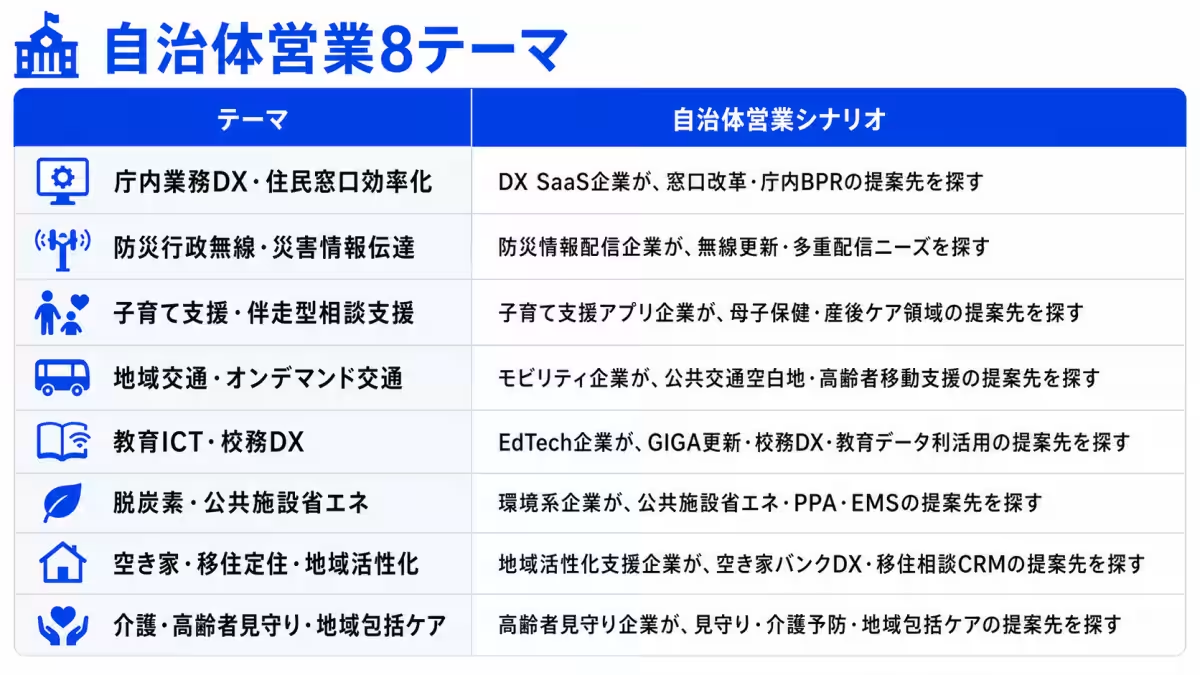
This rigorous assessment involved anonymizing the outputs of LobbyAI and a competing model, which in this case was Google's Gemini 3.5 thinking. Eight common use cases in local government sales were selected to conduct this evaluation, providing a real-world context to gauge both AI systems effectively. The performance comparison revolved around three core criteria, namely: 1) identification of target clients, 2) reliability of sources and justification, and 3) clarity of proposed next actions. Each criterion was reviewed through strict evaluations including source accuracy checks, accountability reviews, and risk assessments.
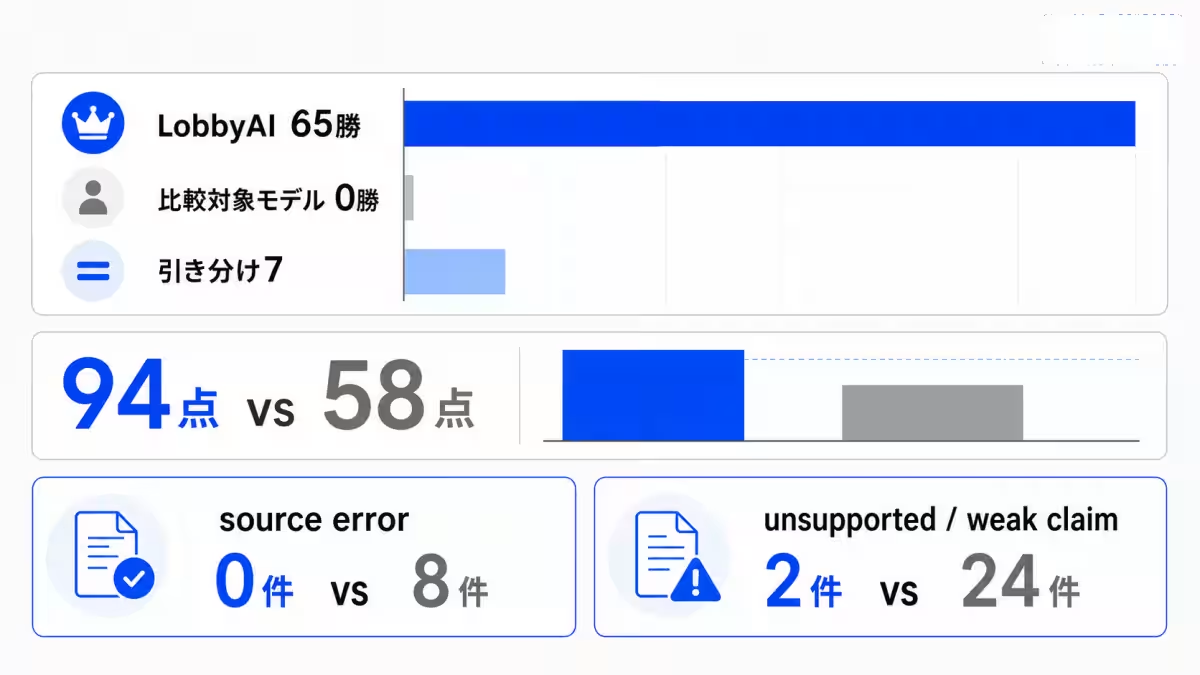
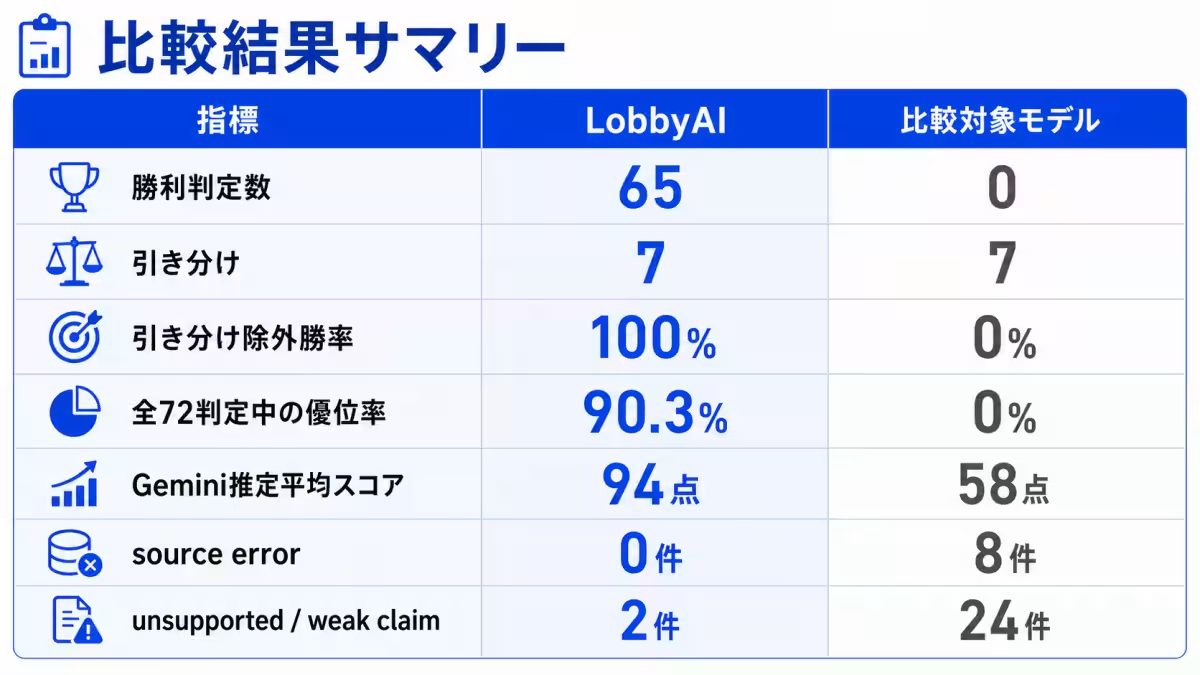
In total, 72 evaluations were conducted, with LobbyAI outperforming its competitor in 65 instances, resulting in zero wins for the competing model and seven draws. Excluding the draws, LobbyAI maintained a perfect success rate of 100%, with a 90.3% advantage across all judgments. These compelling results underscore LobbyAI's superior capabilities in local government sales practices.
Insights from the Evaluation Results
The comparison highlighted that LobbyAI not only outshone GPT-5.5 but also provided deeper insights essential for local government sales. By efficiently interpreting primary information from local government records, sales representatives could determine precisely which municipality to approach, the relevant departments to engage with, and the optimal timing and reason for proposals.
In contrast, while GPT-5.5’s outputs could assist in organizing general policy discussions or preparing initial meeting questions, they often fell short in providing actionable insights that were immediately applicable to specific municipalities. This necessitated further investigation to identify the pertinent departments and understand potential budgetary constraints.
Background to the Comparative Evaluation
The rationale behind this evaluation was the inherent complexity in local government sales, where various public information sources must be examined to identify opportunities. Detailed evaluations of municipalities' web pages, council minutes, administrative plans, and other documents are crucial for identifying where issues may arise and which departments are responsible for addressing them. Understanding such nuances requires considerable research effort and a profound grasp of the governmental landscape.
Thus, it is evident that simply understanding policy trends is insufficient in the realm of local government sales. The decisive factor for success hinges on actionable information leading to concrete sales decisions.
The Role of Generative AI in Local Government Sales
The introduction of generative AI has significantly simplified the processes for searching, summarizing, and organizing policy themes. However, determining the precise sales targets, relevant departments, proposal timing, and meeting agendas still hinges on the accuracy of data and context understanding of different municipalities.
LobbyAI aims to streamline these initial investigative phases by converting disparate public information into usable formats for sales environments. Its unique database not only captures the requirements for engaging effectively with local governments but also ensures that the information gathered translates into actionable insights that can be readily applied in real-world scenarios.
Conclusion: Looking Ahead with LobbyAI
As LobbyAI moves forward, the company envisions continued improvements in making public information more accessible and manageable for local government sales, policy engagement, and private-public partnerships. By harnessing the advancements in generative AI, LobbyAI intends to further elevate the manner in which public information is utilized, ensuring timely and relevant decision-making support is available.
As stated by CEO Kyotaro Takahashi, “The myriad of public administration information can be daunting, but with our innovative platform, we aim to demystify this for agencies and the private sector alike. Our goal is to foster a better-informed society where collaboration leads to more effective governance and services.”
In summary, LobbyAI stands out not just for its technological prowess but also for a commitment to increasing transparency and fostering meaningful connections between public administration and stakeholders in the private sector. With an unyielding drive towards enhancing local government engagement, LobbyAI establishes a notable precedent in the realm of AI-driven public utility.


Topics Business Technology)
【About Using Articles】
You can freely use the title and article content by linking to the page where the article is posted.
※ Images cannot be used.
【About Links】
Links are free to use.